
Embarking on a renovation is a significant milestone for any homeowner or developer. While the aesthetic appeal of a new surface is undeniable, understanding the technicalities behind the tile floor installation cost is essential for a successful outcome.
In 2026, the market has shifted; it’s no longer just about the price per box, but about the efficiency of the tile installation process itself. By utilizing professional-grade tools and systems, you don’t just “lay tile”: you protect a long-term investment.

Average Tile Installation Cost: National Estimates for 2026
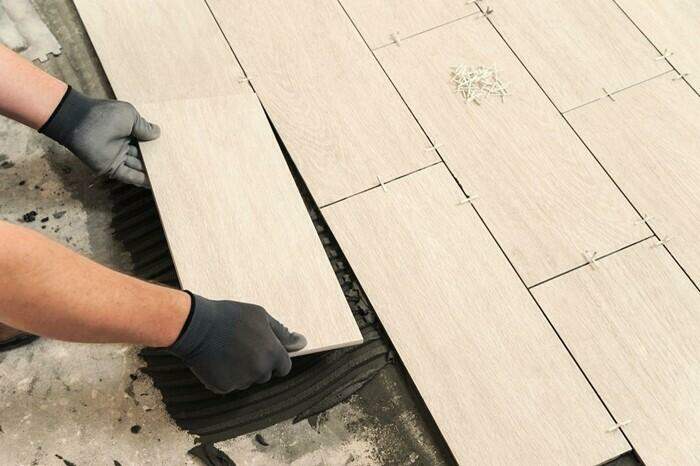
When calculating how much costs a tile floor installation today, we must look at a broader range than in previous years. On a national level, most homeowners are seeing project totals between $1,200 and $6,500. While a small powder room might sit at the lower end (around $600), expansive living areas or high-end kitchen remodels can easily exceed $8,000 depending on the complexity of the layout.
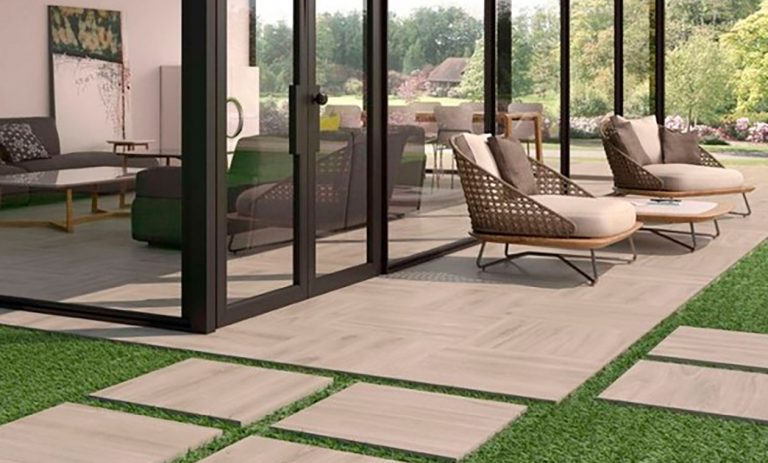
On average, you should budget between $15 and $75 per square foot for a complete project including materials and professional labor. It is also important to differentiate between environments; for instance, the requirements to install tile flooring outdoors involve specialized weather-rated thinsets and membranes, which typically increases the floor tile installation cost by 15–20% compared to interior dry areas.
Labor Cost to Install Tile Floor: Rates per Square Foot
Labor remains the most variable component of your budget. In 2026, the tile labor cost per square foot generally ranges from $5 to $22, though this figure is highly sensitive to your geographic location and the specific demands of the tile selected.
Standard vs. Premium Labor: Why the price varies
Not all labor is created equal. A “standard” installation usually refers to basic ceramic squares in a straight pattern. However, if you are looking for a professional protocol finish (perfectly flat surfaces with no “lippage”) you are paying for premium expertise. Contractors who utilize advanced leveling systems may charge a higher initial rate, but they significantly reduce the need for future repairs, ultimately lowering the long-term tile floor cost.
Impact of Tile Size: Large Format vs. Intricate Mosaics
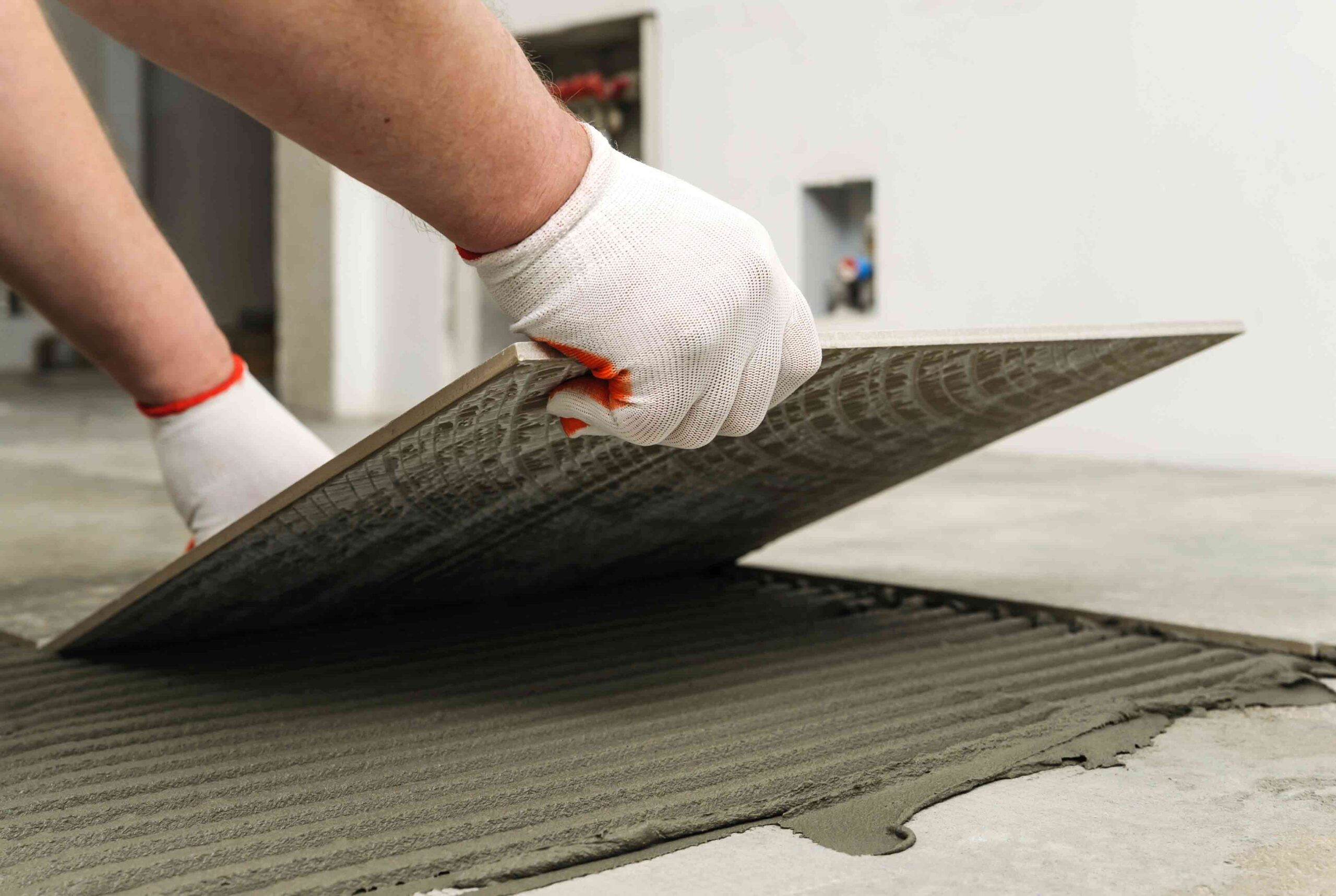
The 2026 trend toward Large Format Tiles (LFT) has revolutionized labor estimates. While larger tiles cover more area quickly, they are significantly heavier and require a perfectly level substrate. Handling these pieces often requires two people and specialized suction equipment, which can drive up the floor tile installation cost. Conversely, mosaics require meticulous attention to detail and more frequent cuts, leading to higher labor per square foot due to the time-intensive nature of the work.
Materials Breakdown: From Tile Selection to Thinset
To truly understand how much does floor tile installation cost, you must look beyond the tile itself. The “setting materials” (the products that actually hold the floor together) are where many DIYers and low-bid contractors cut corners, often leading to failure.
Cost of Tile per Square Foot by Material (Porcelain vs. Stone)
| Material Type | Estimated Cost (per sq. ft.) | Durability Level |
| Ceramic | $1.00 – $8.00 | Moderate |
| Porcelain | $4.00 – $14.00 | High |
| Natural Stone (Slate/Marble) | $7.00 – $25.00 | High (requires sealing) |
| Glass Tile | $12.00 – $35.00 | Moderate (Accent use) |
| Wood-Look Porcelain | $5.00 – $15.00 | Very High |
Essential Setting Materials: Underlayment, Grout, and Adhesives
High-quality adhesives and grouts are non-negotiable. To ensure a consistent bond, professionals rely on high-torque mortar mixers to achieve a “creamy” consistency without air pockets. Using a sub-par mix can lead to “hollow” tiles that crack under furniture weight. Additionally, modern high-performance grouts (epoxy or pre-mixed) are more expensive than traditional sand-and-cement options but offer superior stain resistance and color consistency for the modern home.

Critical Factors That Influence Your Tiling Budget
Beyond the price of the tile and the installer’s fee, several “invisible” factors can cause your tile floor installation cost to fluctuate. A professional quote should always account for the condition of the substrate, as even the most expensive porcelain will fail if laid on a compromised foundation.
Subfloor Preparation: Leveling and Waterproofing Costs
In 2026, the industry standard has moved toward ultra-flat surfaces. If your subfloor has a variance of more than 1/8 inch over 10 feet, you must budget for self-leveling compounds. This preparation usually adds $2 to $5 per square foot to your tile floor cost. In bathrooms or wet areas, waterproofing membranes are mandatory to prevent structural rot, representing a critical step in a professional tile installation protocol.
Demolition Fees: Removing Old Hardwood or Ceramic Floors
Many homeowners forget to factor in the removal of the existing surface. Demolishing old ceramic tile is labor-intensive and messy, typically costing between $3 and $7 per square foot, including debris disposal. Removing carpet or linoleum is generally cheaper, but the real cost lies in the “grinding” required to remove old adhesives, ensuring the new mortar bond is 100% effective.
Professional Installation vs. DIY: A Realistic Cost-Benefit Analysis
It is tempting to look at how much does tile floor installation cost and decide to tackle it yourself. While you can save on labor, the learning curve is steep. In 2026, the cost of materials is at an all-time high; a single box of ruined large-format tiles can quickly negate any labor savings.
The Hidden Costs of Professional-Grade Tool Rental
DIYers often overlook the expense of specialized equipment. To achieve professional results, you cannot rely on low-end hardware store kits. Renting or buying high-precision tile cutters and diamond blades is essential for clean edges and minimal breakage. When you factor in the rental of wet saws, mixers, and transport, the “savings” of DIY often shrink, especially when compared to the speed and guaranteed finish of a pro.
How to Save on Tile Installation Without Sacrificing Quality
The most effective way to reduce your tile floor installation cost isn’t by buying cheaper tile, but by optimizing efficiency. The “Rubi Method” focuses on reducing “Tile Waste”: the percentage of material thrown away due to bad cuts or lippage.
By insisting your contractor uses advanced systems like the Delta leveling system or the Cyclone leveling system, you ensure a perfectly flat floor on the first pass. This eliminates the need for “lippage tuning” and avoids the nightmare of having to rip up and replace tiles that weren’t set correctly. In 2026, precision tools are the primary driver of cost reduction, as they allow for faster completion times and significantly less material waste.
Project Logistics & Professional Advice (FAQs)
Can I install new tile over existing flooring?
Technically, yes: provided the existing floor is perfectly bonded and structurally sound. However, this raises the floor height, which may require trimming doors and creates “transitions” between rooms. While this can lower the initial how much does floor tile installation cost, it is often a compromise on long-term durability.
What is the recommended waste factor for 2026 tile trends?
With the rise of herringbone and chevron patterns, the old “10% rule” for waste is outdated. For complex patterns or diagonal layouts, we recommend a 15% to 20% waste factor. Using precision tools helps keep this on the lower end, but always order enough to keep a “repair box” for the future.
Do tile installation projects require building permits in the US?
In most jurisdictions, a simple floor replacement does not require a permit. However, if your project involves moving plumbing, electrical, or structural subfloors in a bathroom, you likely will. Always check local 2026 regulations to avoid fines that could skyrocket your floor tile installation cost.
Does a new tile floor truly increase home resale value?
Absolutely. Real estate data for 2026 shows that high-quality porcelain or stone flooring offers one of the highest Returns on Investment (ROI) for interior finishes. Unlike carpet or laminate, tile is seen as a “permanent” upgrade that appeals to buyers due to its hygiene and longevity.

Post a comment