

From iconic kitchen backsplashes to minimalist bathroom retreats, white tile remains the most versatile choice in a pro’s arsenal. However, many homeowners and installers make the mistake of choosing grout as an afterthought. At RUBI, we view grout color as Pattern Definition Control, the element that decides whether your tile work blends into a seamless surface or pops with architectural intent.
If you are wondering what color grout to use with white tile, the answer depends on the “vibe” you want to activate. In 2026, the trend has shifted from simple utility to high-concept contrast and textural warmth.

The Impact of Grout Color on White Tile Design
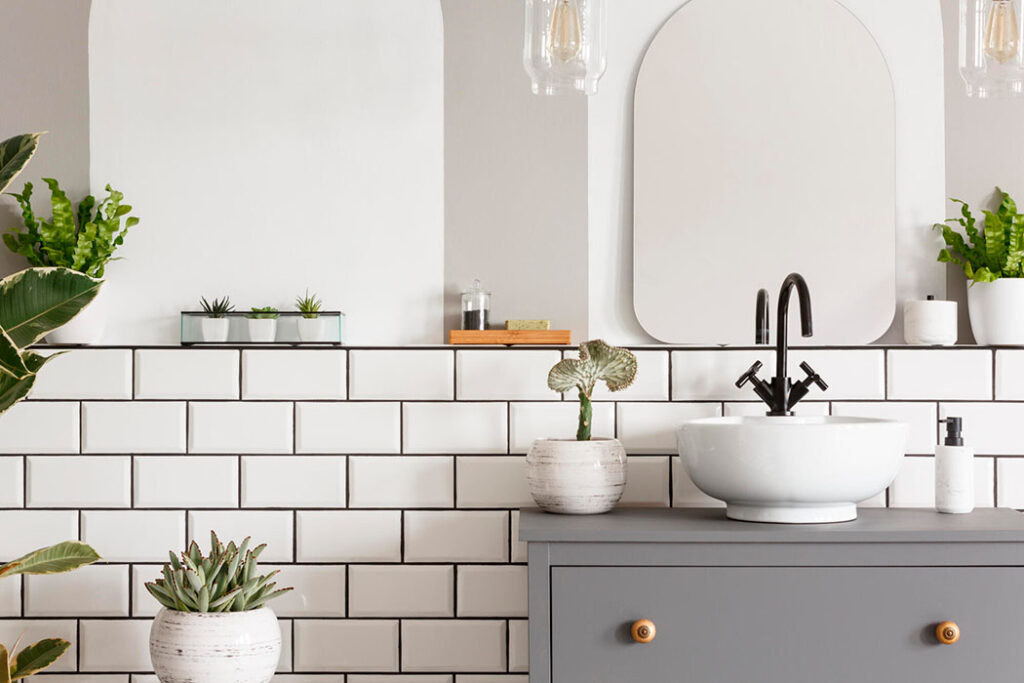
The grout line is essentially the frame around your artwork. When you choose a color, you are essentially deciding how much you want the viewer to notice the layout and shape of the tile. A matching grout hides the grid, while a contrasting grout highlights every edge. This is especially critical when learning How to Lay Tile in a Bathroom: 5 Easy Steps, where the small footprint means every line counts toward the perceived size of the room.
Best Grout Color Combinations for White Tiles
Choosing what color grout goes with white tile isn’t just about aesthetics; it’s about managing expectations for maintenance and visual longevity.
1. Monochromatic White: For a Seamless, Spacious Feel
This is the “anti-pattern” choice. By pairing white tile with white grout, you create a singular, uninterrupted plane of color. This is the go-to strategy for small spaces, as it reflects the maximum amount of light and blurs the boundaries of the walls. It is a timeless, clinical aesthetic that works perfectly in modern-minimalist kitchens. However, be prepared for higher maintenance; white grout is a magnet for stains, requiring frequent deep cleans to stay pristine.
2. High-Contrast Black & Charcoal: The Bold Industrial Look
If you want to make your tiles “pop,” dark grout is the answer. Charcoal and black provide a high-contrast frame that emphasizes the geometric layout. This is particularly effective for hexagonal or herringbone patterns. When planning Tile Installation: How to Lay Tile, keep in mind that black grout is unforgiving: any slight misalignment in your spacers will be immediately visible. It is bold, modern, and hides dirt exceptionally well.
3. Soft Grays: The Modern Standard for Easy Maintenance
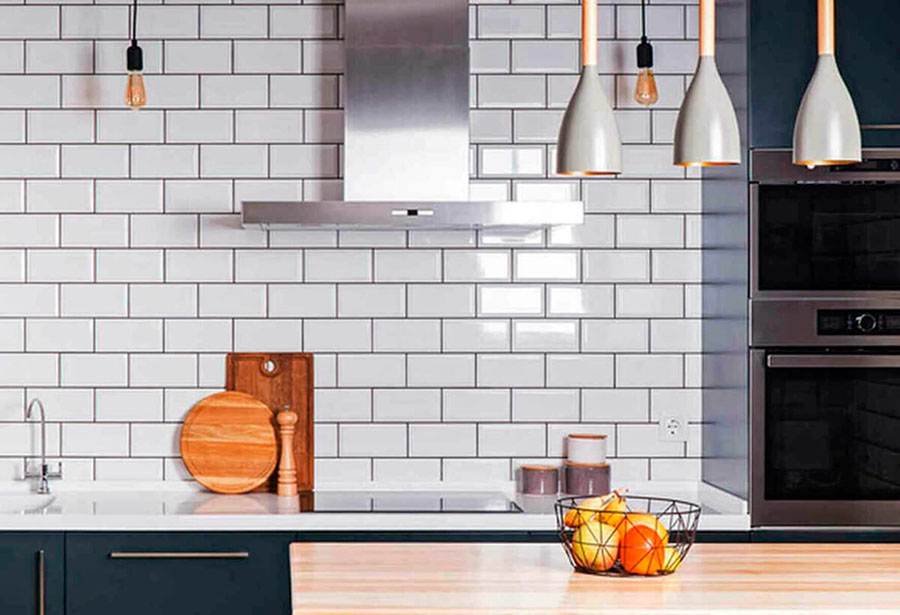
Gray is arguably the most practical answer to what color grout to use with white tile. It offers enough contrast to define the tile shape without the harshness of black. From a technical standpoint, gray is the “goldilocks” of grout; it hides the natural graying of age better than white but doesn’t show soap scum as clearly as black. It creates a sophisticated, “soft-industrial” look that has become a staple in 2026 residential design.
4. Warm Beige & Tan: Bringing Modern Farmhouse Vibes
To avoid the “sterile” feeling often associated with white ceramic, designers are increasingly turning to warm neutrals. Beige or tan grout adds an earthy undertone that pairs beautifully with wood accents and brass fixtures. This combination creates a charming, organic feel and is incredibly forgiving when it comes to everyday dust and grime.
5. Deep Blues & Earthy Tones: 2026 Design Trends
For those looking for a unique signature, deep navy or terracotta grouts are making a massive comeback. These colors turn a standard white wall into a custom design feature. While vibrant colors are less “timeless,” they offer a maximalist pop that can be tied into the rest of the room’s decor.
Matching Grout with Specific Tile Styles
The shape of the tile dictates how the grout behaves. A standard square tile reacts differently than a textured 3D piece.
What Color Grout to Use with White Subway Tile?
Subway tile is all about the “running bond” pattern. To achieve that classic “New York Bistro” look, a medium-gray grout is the standard. If you want a more modern, “quiet” kitchen, stick to white. Using a contrasting color is what truly “activates” the subway shape; without it, the iconic staggered pattern is lost to the eye.
Choosing Grout for Black and White Tile Floor Patterns
When considering what color grout to use with black and white tile, the professional’s choice is usually a neutral gray. Why? Because white grout will look dirty against the black tiles, and black grout can “bleed” or look dusty against the white tiles. A mid-tone gray bridges the gap between both colors, ensuring the pattern remains the star of the show.
Large Format White Tiles: Minimizing Visual Noise
When working with what color grout to use with white floor tile, especially in large formats (LFT), the goal is usually to minimize the grid. Large tiles are chosen to create a stone-slab effect. In this case, we recommend a color-matched grout and the thinnest possible joints allowed by the manufacturer to reduce visual “noise.”
Technical Considerations: Choosing the Right Grout Type
Choosing the color is only half the battle; the chemical composition of the grout is what protects your white surfaces from damage during and after the installation. Selecting the wrong type can lead to micro-scratches or uneven “splotchy” coloring that ruins the clean aesthetic of white tile.
Sanded vs. Unsanded: Protecting Polished White Surfaces
The rule of thumb in professional tile installation is dictated by the joint width and the tile finish. Sanded grout is essential for joints wider than 1/8 inch to prevent shrinkage, but it contains silica sand which acts as an abrasive. If you are working with polished white marble or high-gloss ceramic, sanded grout can leave permanent swirl marks. In these cases, or for thin joints (subway tiles), unsanded grout is your best friend. It has a smooth, creamy texture that preserves the pristine finish of the tile while providing a tight, aesthetic seal.
Epoxy Grout: When Color Consistency is Non-Negotiable
If you’ve decided on a bright white or a very dark charcoal, epoxy grout is the gold standard for 2026. Unlike cement-based grouts, epoxy is non-porous and chemically cured. This means it is virtually impossible to stain (a massive advantage for white floors) and the color will never fade or yellow. While it is more challenging to apply and requires faster cleanup, the “set it and forget it” nature of epoxy makes it the most cost-effective choice for high-traffic areas.

Expert Tips for a Flawless Grouting Process
Even the best color grout to use with white tile can look amateur if the application is sloppy. Precision in the cleanup phase is where the “RUBI difference” becomes apparent.
The Importance of Mock-up Boards
Never commit to a grout color based on a tiny plastic swatch in the showroom. Light conditions in your specific bathroom or kitchen will drastically change how the color renders. We always recommend creating a mock-up board using three or four spare tiles and the chosen grout. Let it dry for 24 hours to see the true final shade. It is much easier to change your mind at this stage than after the entire wall is set.
Preventing Pigment Staining on White Ceramic
When using high-contrast colors like black or deep blue, there is a risk of “pigment migration.” Some white tiles have micro-pores that can absorb the dark dye of the grout, leaving a permanent “haze” around the edges. To prevent this, use a grout release or sealer on the tiles before grouting. When it comes time to apply, using high-quality rubber grout floats ensures the material is packed tightly into the joints without leaving excess residue on the surface. For the final wash, having a professional kit of sponges, floats and pads is vital to ensure you aren’t using too much water, which can “wash out” the pigment and lead to uneven color.
Common Tiling Design & Technical Dilemmas (FAQs)
Will dark grout pigments permanently stain my white tiles?
They can, especially on natural stone or crackle-glaze ceramics. Always test a small area first. If the tile is porous, a sealer is mandatory. If you encounter a “haze” after drying, you may need to use specialized scrapers or chemical cleaners to restore the white’s brilliance.
Why does my grout look lighter or darker than the color chart?
This is usually caused by excess water during cleanup. If you use a dripping wet sponge, you dilute the pigment at the surface, making it look chalky or lighter. Conversely, if the grout isn’t mixed thoroughly, you may get dark streaks. This is why consistency in mixing and a “damp-not-wet” sponge technique are the hallmarks of a pro.
What is the most practical grout color for a high-traffic white floor?
Without a doubt, Medium Gray. When figuring out what color grout to use with white floor tile, gray is the undisputed champion. It provides a modern look while camouflaging the inevitable graying that occurs from foot traffic and cleaning residues.
Can I change my grout color if I don’t like the final result?
Yes, but it’s a labor of love. You can use grout colorants (essentially a specialized “paint” for joints), but for a true professional fix, the old grout must be removed using manual or electric scrapers and replaced. This is why the mock-up board we mentioned earlier is so critical!

Post a comment