
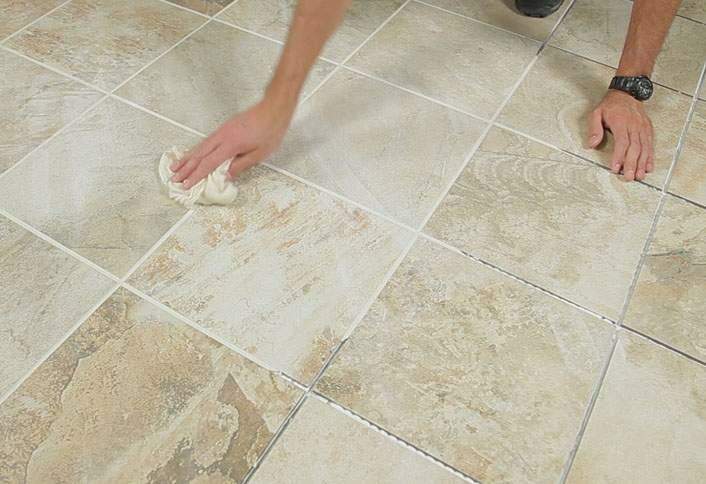

When choosing grout for a tile installation, the decision goes far beyond color or joint width. For both professional contractors and homeowners looking for long-term value, the debate around epoxy grout versus cement grout centers on performance, durability, maintenance, and total cost of ownership.
While cement-based grout has been the traditional solution for decades, high-traffic environments, moisture-prone areas, and demanding residential projects are pushing the industry toward epoxy alternatives. Understanding the real differences between cement grout vs epoxy grout is key to making a smart investment that holds up over time, both structurally and visually.
What is Epoxy Grout?
Epoxy grout is a high-performance grouting material made from epoxy resins and hardeners, rather than cement and water. This chemical composition creates an extremely dense, durable, and non-porous grout joint that resists moisture, stains, chemicals, and mechanical wear.
Unlike cement-based options, epoxy grout does not rely on evaporation to cure. Instead, it hardens through a chemical reaction, resulting in joints that maintain their integrity even in high-traffic floors, wet areas, commercial kitchens, pools, and exterior installations. This makes epoxy grout especially attractive for projects where longevity and minimal maintenance are critical.
From a value perspective, epoxy grout is not simply a premium alternative, it is often a long-term cost-saving solution, particularly when compared to the recurring maintenance and sealing requirements of traditional cement grout.
Epoxy versus Cement Grout: Key Differences in Performance
When evaluating epoxy versus cement grout, performance under real-world conditions becomes the decisive factor.
Cement grout performs adequately in low-stress environments, but it shows clear limitations when exposed to moisture, chemicals, or constant foot traffic.
Epoxy grout, by contrast, delivers structural stability over time. It does not shrink, crack, or erode, even in demanding environments. This makes the comparison less about upfront cost and more about return on investment.
In terms of durability, epoxy grout maintains its joint integrity and color for years without sealing. Cement grout, being porous, absorbs liquids and contaminants, which leads to staining, discoloration, and eventual degradation. From a maintenance standpoint, epoxy joints can often be cleaned with a simple wipe, while cement grout requires deep cleaning and periodic resealing.
For professionals managing long-term warranties or homeowners seeking peace of mind, the cement versus epoxy grout debate clearly favors epoxy in performance-critical applications.

Four Main Types of Grouts
Not all grout solutions offer the same level of performance. Understanding the characteristics of each type helps determine when epoxy grout is truly worth the investment.

1. Sanded Grout
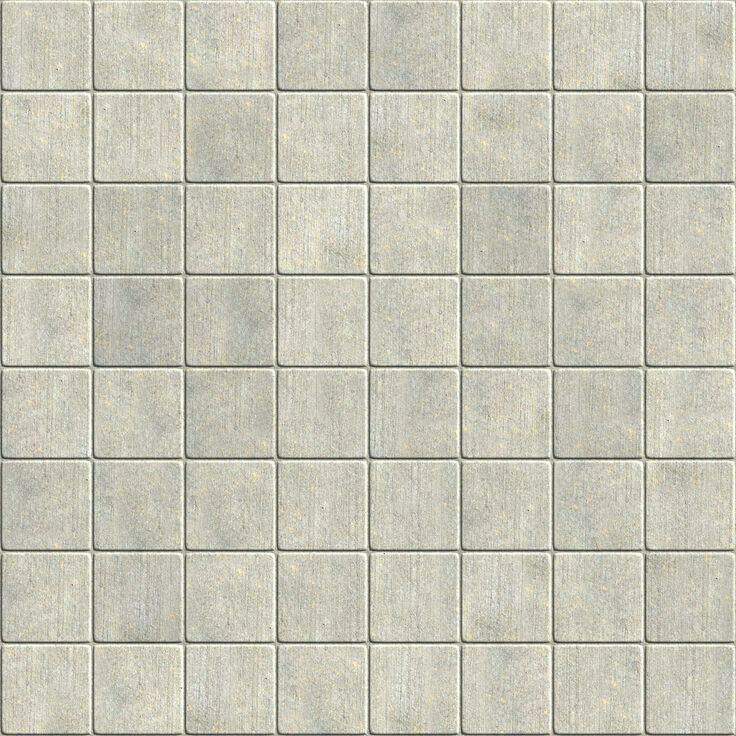
Sanded grout is a cement-based mixture reinforced with sand particles, designed for grout joints wider than 1/8 inch. The sand increases compressive strength, making it suitable for ceramic and stone tiles with larger joints.
However, despite its strength, sanded grout remains highly porous. Dirt, moisture, and stains penetrate easily, making sealing mandatory. Over time, even sealed sanded grout can discolor and deteriorate, especially in kitchens, hallways, and commercial floors.
2. Unsanded Grout
Unsanded grout is smoother and free of abrasive particles, making it ideal for narrow joints and delicate surfaces such as marble or polished ceramic. It performs well on walls and low-traffic areas.
Its main drawback is structural weakness. In wider joints, unsanded grout tends to shrink and crack, exposing grout lines and compromising durability. Unsanded grout is limited to light-duty applications.
3. Furan Grout
Furan grout is an industrial-grade solution made from furfuryl alcohol polymers. It offers exceptional resistance to chemicals, heat, and abrasion, making it suitable for factories and laboratories.
However, its complexity, strong odor, and demanding installation process limit its use almost exclusively to industrial environments. For residential or commercial tile installations, epoxy grout provides similar performance with far greater versatility.
4. Epoxy Grout
Epoxy grout stands out as the most robust and versatile option available. Its dense, resin-based composition delivers unmatched resistance to moisture, chemicals, stains, and physical wear.
Once reserved primarily for industrial projects, epoxy grout is now widely used in kitchens, bathrooms, backsplashes, fireplaces, pools, and high-traffic floors, offering both structural reliability and aesthetic consistency. When comparing epoxy grout and cement grout price, epoxy may cost more upfront, but its durability and minimal maintenance often make it the most economical choice over time.
Reasons Why You Should Choose Epoxy Grout
1. They Call it “Bomb Proof”
The term may sound exaggerated, but epoxy grout has earned its reputation. Its mechanical strength can exceed that of the tile itself, making it ideal for high-impact and high-traffic environments.
From residential hallways to hospitals, restaurants, and commercial spaces, epoxy grout resists cracking and crumbling under constant use. For contractors, this translates into fewer callbacks; for homeowners, it means confidence that the installation will last for decades.
2. It’s Non-Porous and Waterproof
One of epoxy grout’s most valuable properties is its non-porous structure. Liquids, oils, chemicals, and contaminants cannot penetrate the grout joint, making it inherently waterproof and stain-resistant.
This makes epoxy grout the preferred solution for bathrooms, showers, kitchens, pools, and backsplashes, where constant exposure to moisture is unavoidable. A properly installed tile system, combined with a non-porous grout, creates a surface that remains hygienic, easy to clean, and structurally stable over time. Following best practices such as those outlined in How to Lay Tile ensures that both the tile and grout perform as intended from day one.
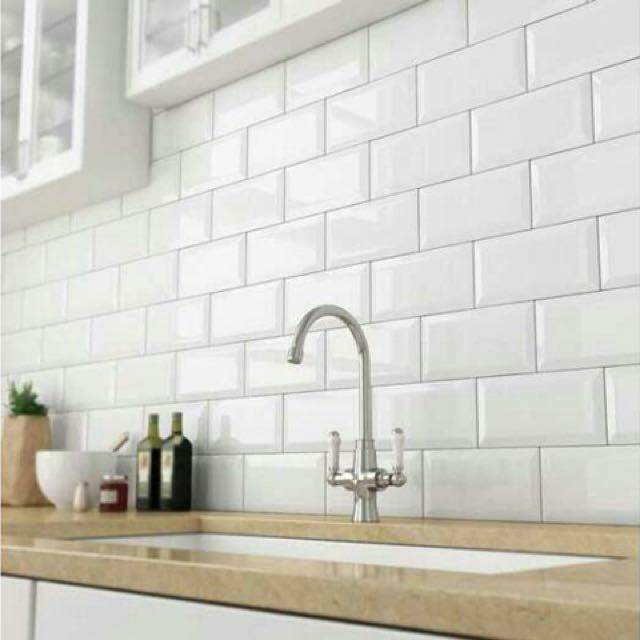
In areas like kitchen backsplashes, where grease, food splashes, and cleaning products are part of daily use, epoxy grout provides an extra layer of protection against stains and discoloration. If you’re planning this type of project, applying design and installation criteria similar to those explained in Pro Tips for Choosing and Installing the Perfect Backsplash Tile helps achieve a finish that is not only visually appealing but also built to last.
3. No Need for an Epoxy Grout Sealer After Application
Unlike cement grout, epoxy grout does not require sealing. Once cured, the surface is already protected against moisture and stains.
This eliminates an entire maintenance step and reduces long-term costs. For professionals, it also simplifies project timelines and guarantees consistent performance without reliance on sealant quality or reapplication schedules.
4. The Grout Doesn’t Discolor or Stain
Cement grout is notorious for discoloration caused by cleaning agents, food spills, oils, and daily wear. Epoxy grout, on the other hand, maintains its original color even in aggressive environments.
This stability is especially valuable in kitchens and commercial installations, where visual consistency is as important as structural integrity.

5. Extensive Color Variation and Stability
Epoxy grout offers a wide range of color options, from neutral tones to bold design choices, without sacrificing durability. More importantly, the color you choose is the color you keep.
In the comparison of epoxy and cement grout, this long-term aesthetic reliability often tips the balance in favor of epoxy for design-focused projects that still demand performance..
Best Types of Epoxy Grout
TNot all epoxy grouts deliver the same performance, and selecting the right product is essential to maximize durability and ease of installation. The best epoxy grouts combine high mechanical resistance, color stability, and workable application times, making them suitable for both professional contractors and demanding residential projects.
Among the most recognized options in the market, systems like Laticrete Spectralock Pro Premium stand out for their balanced formulation of epoxy resin, hardener, and colored aggregates. These systems are designed to provide excellent adhesion on ceramic tile, porcelain, natural stone, marble, and glass mosaic, while maintaining uniform color across the entire installation.
From a value-for-money standpoint, high-quality epoxy grout systems reduce long-term costs by eliminating sealing, minimizing maintenance, and extending the lifespan of the tiled surface.

Epoxy versus Cement Grout
If at this point you’re second-guessing your initial cement choice of grout, well, here are more reasons to substitute your decision with Epoxy grout:
- Cement grout shrinks over time while epoxy maintains its durability, hence doesn’t shrink, crack or crumble.
- When using cement grout, you need to know it is too lightweight for dense traffic settings, hence if you’re working on a business structure, epoxy’s strength will come in handy.
- Has to be considered that cement grout is highly porous, making it non-resistant to chemicals, stains, and liquids. Coming into contact with these different substances can make the cement grout shrink or crumble faster. Epoxy is non-porous; hence, it escapes such reactions.
- Because cement grout is easily stained, it becomes harder to clean. You can clear the stains on an epoxy grout with one wipe.
- Do you fancy the color of your cement grout? Sadly, this won’t last. Certain chemicals will discolor the grout making your structure lose its appeal. Again, epoxy doesn’t allow passage of chemicals or whatever related reactions. Therefore, whichever color you choose, you’ll forever have it.
It’s evident from this list that using epoxy grout is a 180-degree turn from using cement grout. Unless you’re in the business for regular maintenance, epoxy grout is the way to go. But like everything with an advantage, epoxy comes with its challenges too.
Epoxy’s Greatest Disadvantage: Installation Difficulty
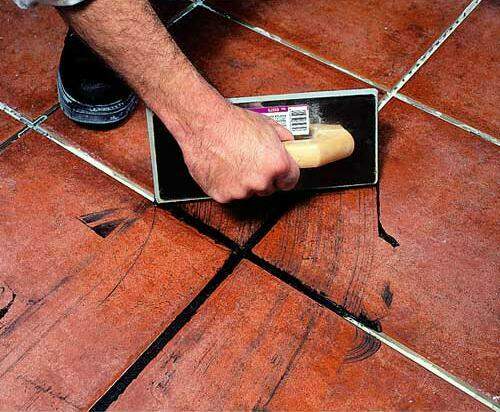
Despite its outstanding performance, epoxy grout does come with one significant drawback: installation complexity. Unlike cement-based grout, epoxy grout has a limited working time once activated and requires careful handling.
The mixture begins to harden quickly, which means installers must work efficiently and in manageable sections. This can be challenging for DIY users or inexperienced installers. From a professional perspective, this difficulty is manageable with proper planning, but it does increase labor costs, which is one of the main reasons epoxy grout is more expensive upfront.
However, this installation challenge is often outweighed by the long-term benefits. Epoxy grout dramatically reduces the risk of failure, callbacks, and premature wear, making it a strategic choice for projects where durability and reputation matter.
Tips for Applying Epoxy Grout
Applying epoxy grout successfully requires preparation, teamwork, and the right tools. Dividing the installation into small, clearly defined sections helps maintain control over the curing process and ensures consistent results.
Surface preparation is critical. Old or damaged cement grout must be fully removed before application. Tools like Rubiscraper-250 make grout removal faster, cleaner, and more precise, creating an ideal base for the new epoxy mixture.
Because epoxy grout is dense and heavy, proper mixing is essential. High-quality mixers and paddles ensure a uniform blend, preventing inconsistencies in curing and color. During application, working in pairs is highly recommended. One installer applies the grout while the other immediately cleans excess material using professional sponges, floats and pads designed specifically for epoxy products.
Final cleaning should never be delayed. Once epoxy grout cures on the tile surface, removal becomes significantly more difficult. Having the right grout cleaning tools on hand ensures a clean finish without damaging glazed ceramic, porcelain, or glass surfaces.
With the right preparation and tools, epoxy grout installation becomes a controlled, efficient process rather than a stressful one.
Choosing the Right Grout and Application
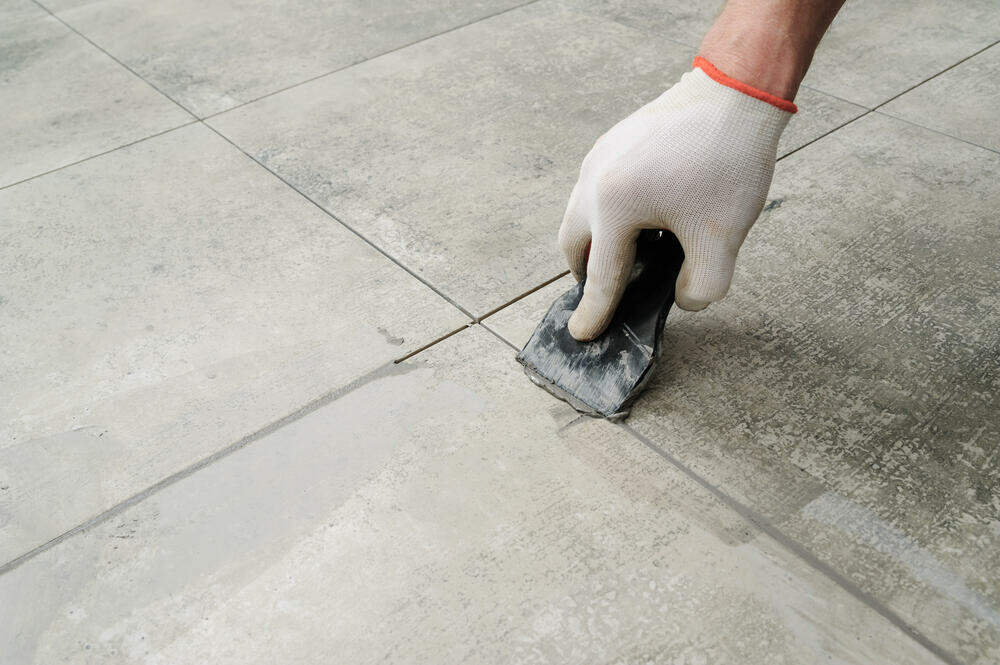
Choosing the correct grout depends on more than just joint size. It requires an understanding of traffic levels, exposure to moisture or chemicals, and long-term maintenance expectations.
Cement grout may be sufficient for decorative walls or low-use areas, but for floors, kitchens, bathrooms, and commercial environments, epoxy grout offers superior performance. When comparing cement grout and epoxy grout, epoxy consistently provides better resistance, lower maintenance, and longer service life.
For homeowners, this translates into fewer repairs and a consistently clean appearance. For contractors, it means reliable installations that protect both craftsmanship and reputation. In many cases, the higher upfront cost of epoxy grout is justified by the long-term savings and reduced maintenance demands.
Frequently Asked Questions (FAQ) about Epoxy and Cement Grout
What is the main difference between epoxy and cement-based grout?
The primary difference lies in composition and performance. Cement grout is porous and requires sealing, while epoxy grout is resin-based, non-porous, and highly resistant to moisture, stains, and chemicals.
Is epoxy grout waterproof and stain-resistant?
Yes. Epoxy grout is inherently waterproof and stain-resistant due to its non-porous structure. This makes it ideal for bathrooms, kitchens, pools, and high-traffic areas where spills and moisture are common.
Can I apply epoxy grout over existing cement grout?
In most cases, epoxy grout should not be applied directly over existing cement grout. The old grout must be properly removed to ensure proper adhesion. Using professional removal tools ensures a clean surface and a successful installation.
Why is epoxy grout more expensive than traditional grout?
The higher cost is due to its advanced chemical composition, superior performance, and longer lifespan. While the epoxy grout vs cement grout price is higher upfront, epoxy grout often proves more economical over time due to reduced maintenance and replacement costs.
Do I need special tools to clean epoxy grout?
Yes. Cleaning epoxy grout effectively requires tools designed for its density and curing behavior. Professional grout cleaning tools, along with appropriate sponges and pads, ensure residue is removed before curing and protect the tile surface.

Nice blog. Very informative.
Thanks! Glad it was helpful to you!
Great Blog! I am not an installer, however I work for one of the industrys leading tile/ flooring manufactures and this is very helpful information. My position requires me to sell tile – setting materials etc and by not ever working hands on with the products, it sort of leaves me at a disadvantage. So, thank you 🙂
Hi Kelly! We’re happy to hear that our blog helps you with you professional challenges! Good luck and we hope our other content is also helpful to you ?
Is haze on the tile one of the risks of epoxy grout? If so, how to avoid or clean it?
Whenever you lay any type of grout you need to make sure you clean up the excess grout off the surface of the tiles afterwards. If you do this you shouldn’t have problems.