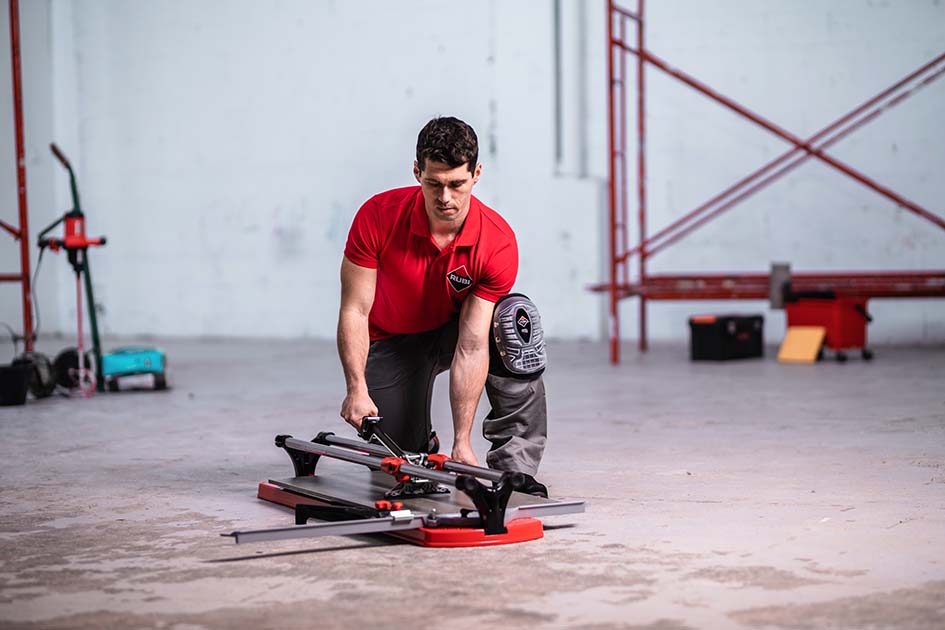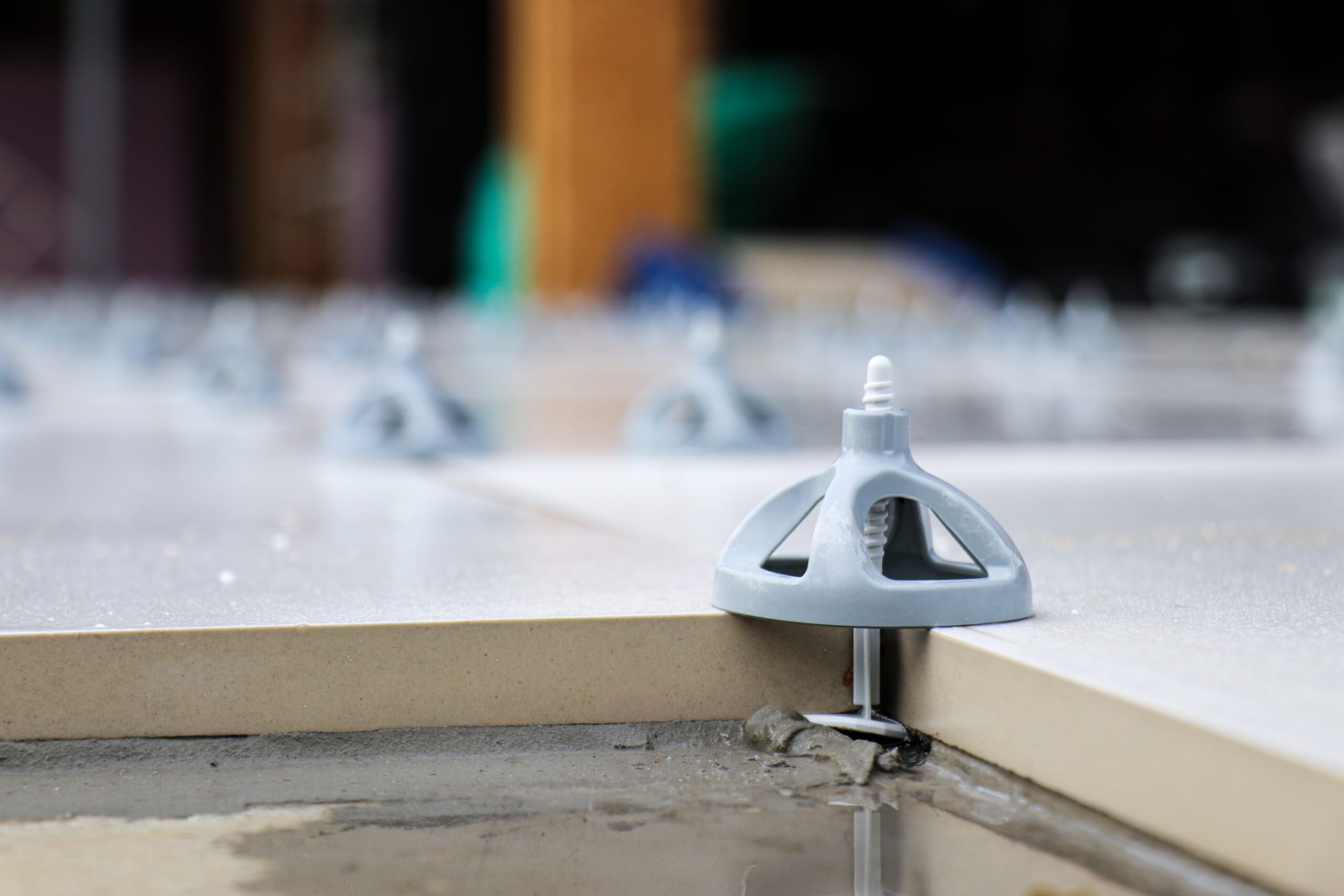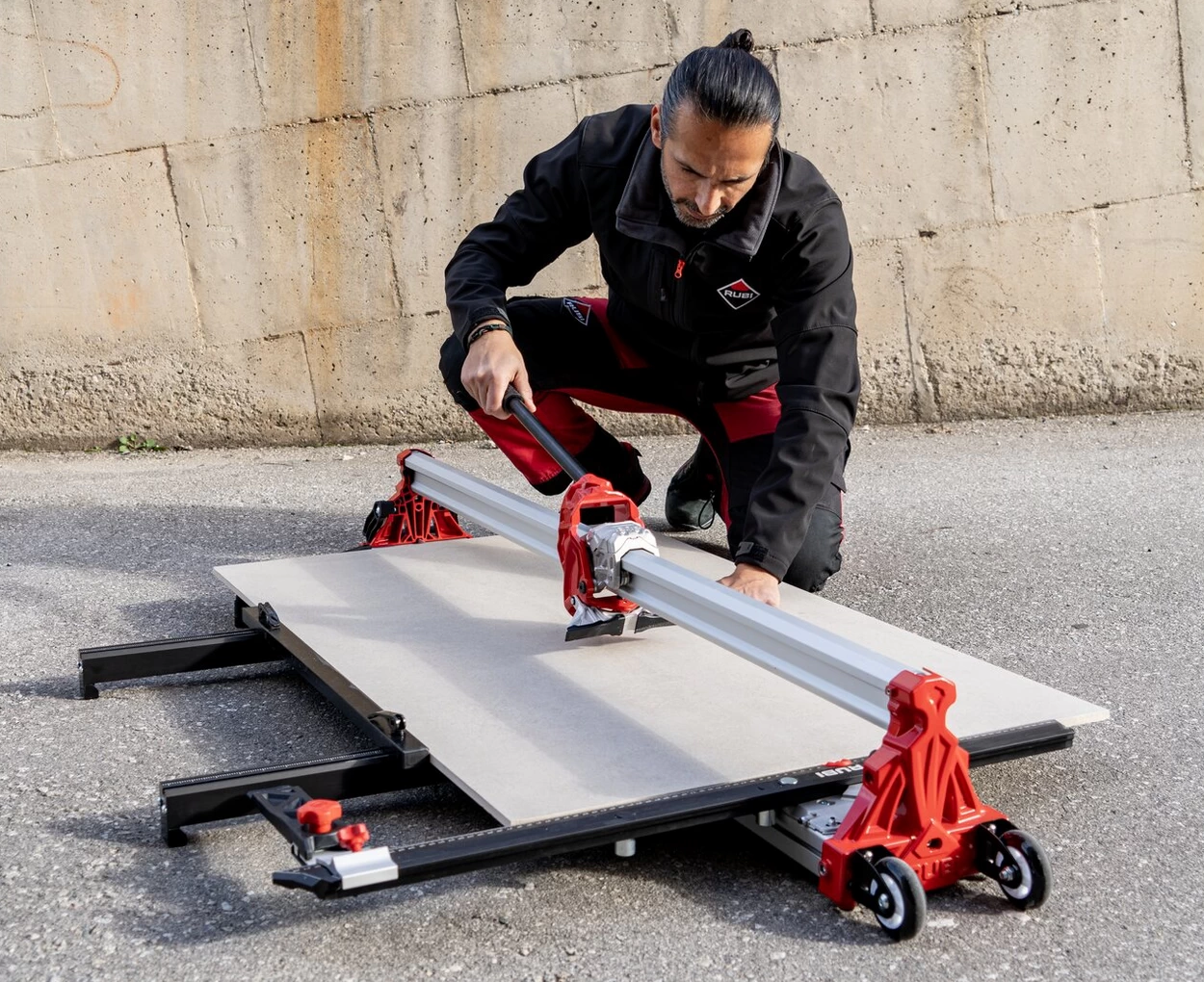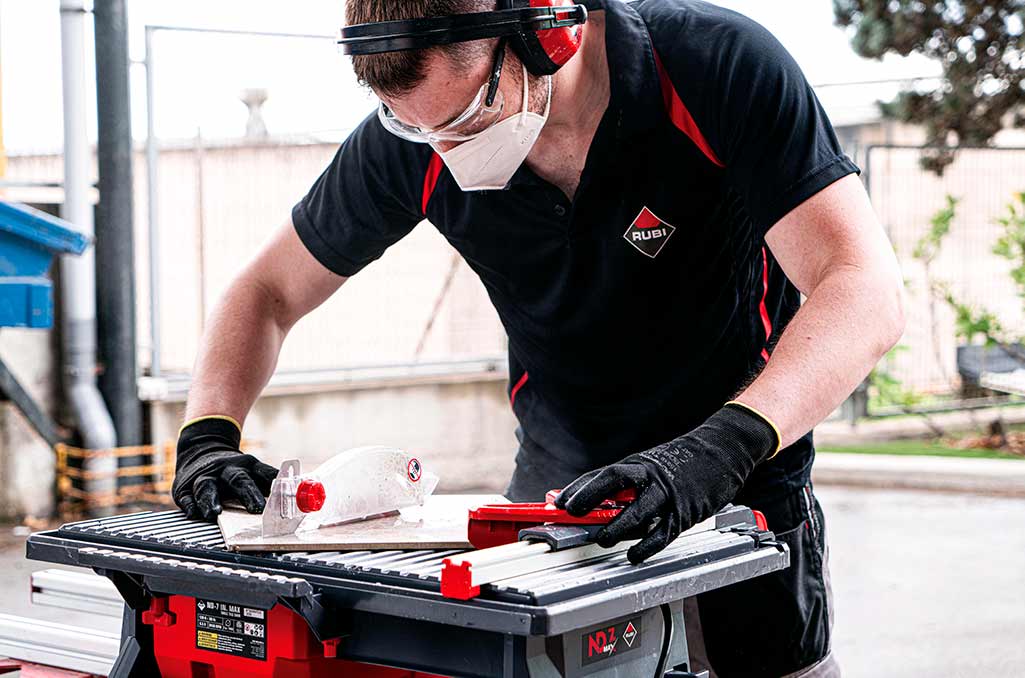
A wet tile saw can deliver extremely clean, accurate cuts, but only when the machine is setup correctly square, the blade is in good condition, and the water system is doing its job properly. When cuts start to wander, chip more than usual or need correcting after every pass, the cause is rarely just one thing. On s...
VIEW MORE
-
-
Adhesive coverage causes many tile failures, particularly when installing large-format porcelain tiles over uneven backs or in demanding site conditions. Voids left beneath the tile increase the risk of weak support, movement and premature cracking. With RUBI, back buttering tiles becomes part of a controlled instal...VIEW MORE
-
Minimalist shower niches look effortless when they are done well. In reality, they are one of the easiest details in a bathroom to get wrong. A niche can be perfectly waterproof and still look poor if the tile joints do not line through, the returns are unequal, or the internal corners are chipped and overworked. ...VIEW MORE
-
Porcelain floors fail when movement is trapped and stress is forced into rigid joints. Cracking, tenting and debonding usually start at restrained edges , long runs or poorly prepared transitions rather than in the tile itself. RUBI supports a more controlled approach to tiling movement joints, combining correct joi...VIEW MORE
-
Complex tile cuts rarely fail on the straight section. They usually fail at the internal corner, around pipe entries and on short returns, where vibration, poor support or the wrong blade can crack the tile before the shape is finished. Dense porcelain and visible edges need tighter control over marking, pressure an...VIEW MORE
-
For many specialist tilers, a manual cutter is not just another tool in the van. It is the point where planning meets execution: the moment a tile is marked, scored and separated cleanly without slowing the job down. That kind of reliability feels normal today, but it was not always part of the trade. Seventy-fiv...VIEW MORE
-
Every herringbone floor reveals even the smallest variation because each angled cut influences the next joint. A chipped corner stands out immediately once the pattern closes. Dense porcelain and larger-format tiles place greater stress on the break line, so repeated diagonal cuts can drift, crack, or lose a sharp e...VIEW MORE
-
You lay the first few tiles and everything looks flat. By the third row, one edge sits half a millimetre proud. On a polished porcelain floor, that tiny step catches the light immediately. Lippage is not just cosmetic, it becomes a call-back risk. This is where choosing the best tile&nb...VIEW MORE
-
You’re halfway through installing a 1200 x 600 mm porcelain slab when you reach a soil pipe, a recessed socket box or an awkward internal corner. Straight cuts are predictable. Irregular shapes are not. One wrong move, too much pressure or a slight vibration at the wrong moment, and the tile ...VIEW MORE
-
When it comes to precision cutting in the tiling and construction industry, choosing the right blade is just as important as choosing the right tool. RUBI, one of the most trusted names in cutting solutions, simplifies this process with a clear, colour-coded system for their wet and dry diamond blades. Each colour r...VIEW MORE