
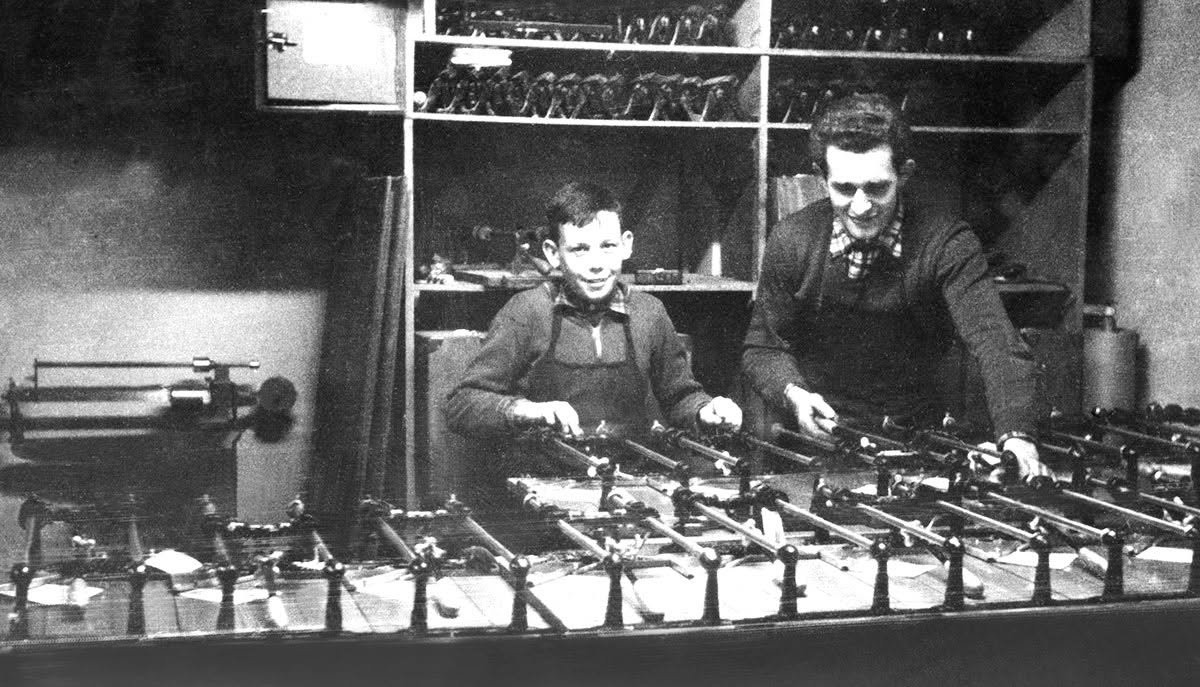
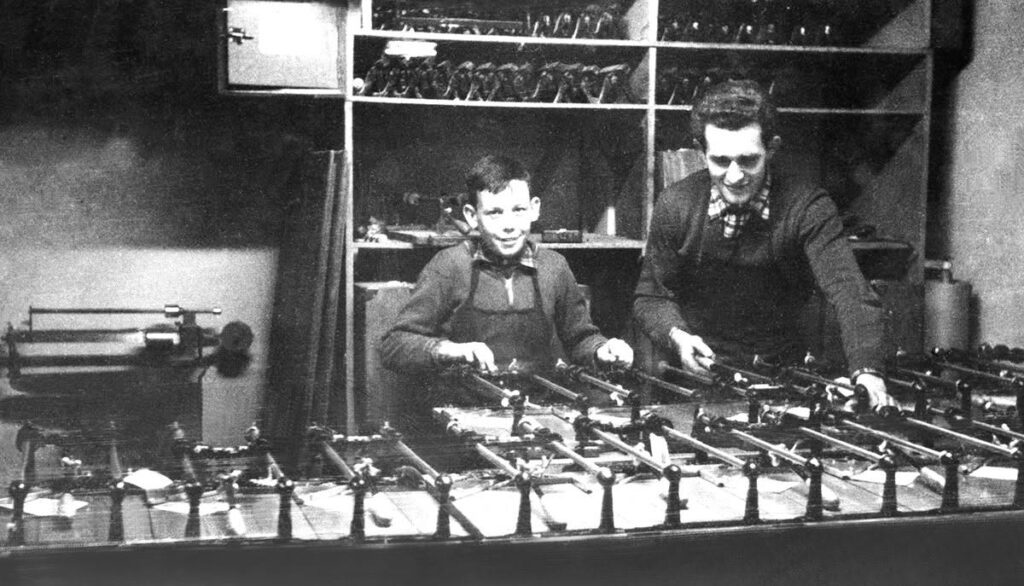
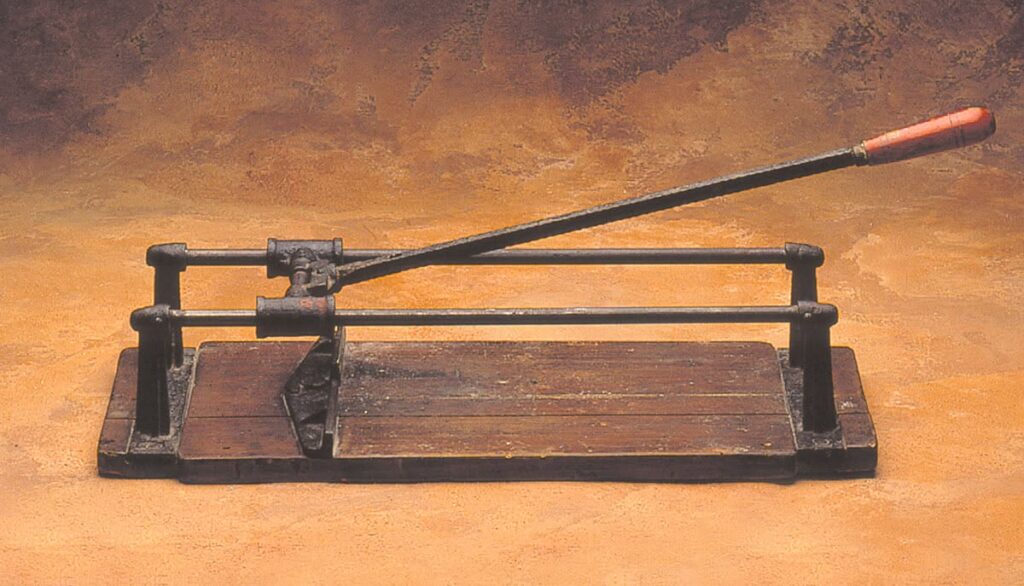
In tile installation, very few brands can claim they helped define the category itself. That is what makes the RUBI story different. In 1951, the Boada brothers patented the first cutter for hydraulic mosaic under the RUBI name, creating a breakthrough that changed how professionals approached tile cutting. What started as one innovative idea became a long-term commitment to efficiency, precision, and jobsite practicality. Today, that same mindset is what keeps RUBI USA relevant for contractors handling everything from standard ceramic to demanding porcelain slabs.
This matters even more in the United States, where tile work keeps evolving around bigger formats, tighter schedules, and higher finish expectations. The modern installer is no longer choosing between a single manual cutter and a basic saw. They are building workflows that include scoring, cutting, transport, positioning, and lippage control. That shift is exactly where RUBI’s legacy connects to the present: the company did not just launch a famous RUBI tile cutter; it kept expanding into a complete system designed around how professionals actually work.
From the first RUBI cutter to today’s tile workflows
The history of RUBI is not just a timeline of products. It is a story about recognizing how tile professionals work and responding with tools that make that work more efficient, consistent, and safe. That is why the evolution from one cutter to a broader ecosystem feels so natural. The same engineering mindset that solved cutting challenges in the 1950s is now applied to the needs of large-format installation, where the stakes are higher and the materials are less forgiving.
The 1951 breakthrough that changed tile cutting
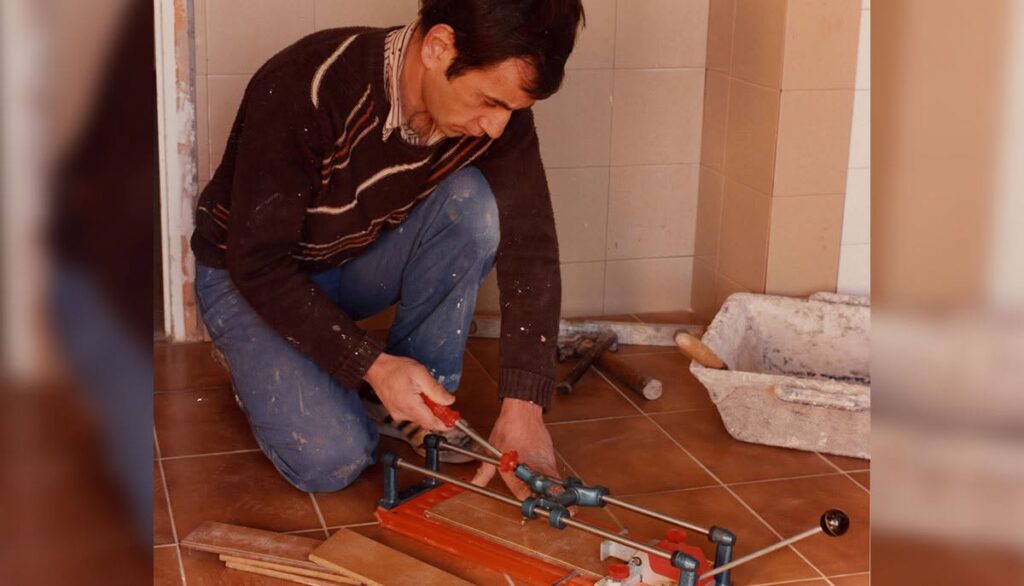
RUBI’s origin begins with a practical invention. In 1951, the first hydraulic mosaic cutting machine patented by the Boada brothers introduced a more precise and efficient way to cut tile materials that were fundamental to the architecture of that era. This was not only a product launch. It was a turning point in how professionals could approach repetitive cutting work with more reliability and less wasted effort.
That historical detail is important because it set the brand’s identity from the beginning. According to RUBI’s own material, the company’s direction has remained focused on offering differentiating solutions that improve efficiency, profitability, and safety in tile installation projects. That throughline is what gives the anniversary story real relevance. It is not nostalgia for its own sake. It is proof that the brand’s original problem-solving purpose still shapes the tools used on jobsites today.
How RUBI grew from one tool into a full professional system
Over time, the original cutter became the foundation for a much broader professional offering. RUBI organizes its portfolio around the full tile installation process, covering preparation, cutting and drilling, installation, grouting, and cleaning. That approach reflects a bigger idea: installers do not work in isolated product categories. They move through a workflow, and performance depends on how each stage supports the next.
This is one of the clearest differences between a recognized manufacturer and a single-product brand. RUBI USA is positioned not just as individual items, but as part of an integrated system built around real trade conditions. For U.S. professionals, that system mindset matters because the work increasingly involves larger tile formats, denser porcelain, and stricter visual standards. A cutter alone is no longer enough for many projects. The market now demands coordinated tools that support handling, alignment, and installation quality from start to finish.
Why RUBI’s history still matters on U.S. jobsites
Brand history only matters if it helps explain present-day value. In the U.S. market, that value is easy to see. Residential remodeling, new construction, commercial work, and design-led projects all continue to push installers toward large-format porcelain and slab applications. As materials get bigger and more delicate in handling, the old model of treating every job like a standard ceramic install becomes less effective.
This is where RUBI’s long history of tool development becomes highly practical. Instead of reacting to change from the outside, the company has spent decades building solutions around the evolving needs of tile professionals. That gives its current offerings more credibility in a market where category trends are being shaped by large-format porcelain, porcelain slabs, and installation workflows that prioritize accuracy and reduced breakage.
Large-format porcelain changed what contractors need
Large-format tile and slab work has changed the definition of a capable jobsite setup. Gauged Porcelain Tile Panels and porcelain slabs are now central to many high-end residential and commercial installations, but they also introduce major logistical and technical challenges. These materials are harder to move, easier to stress, and more expensive to damage. That means installers need more than cutting power. They need control at every stage.
Traditional expectations around tile cutting do not fully match this reality anymore. A contractor may still search for a RUBI tile cutter or compare manual cutting tools first, but the actual workflow often extends beyond one machine. Large panels demand a process that protects margins by reducing fractures, lowering fatigue, and maintaining surface quality throughout the job. In other words, modern tile work rewards teams that think in systems, not just tools.
Matching cutting, handling, and leveling tools to modern work
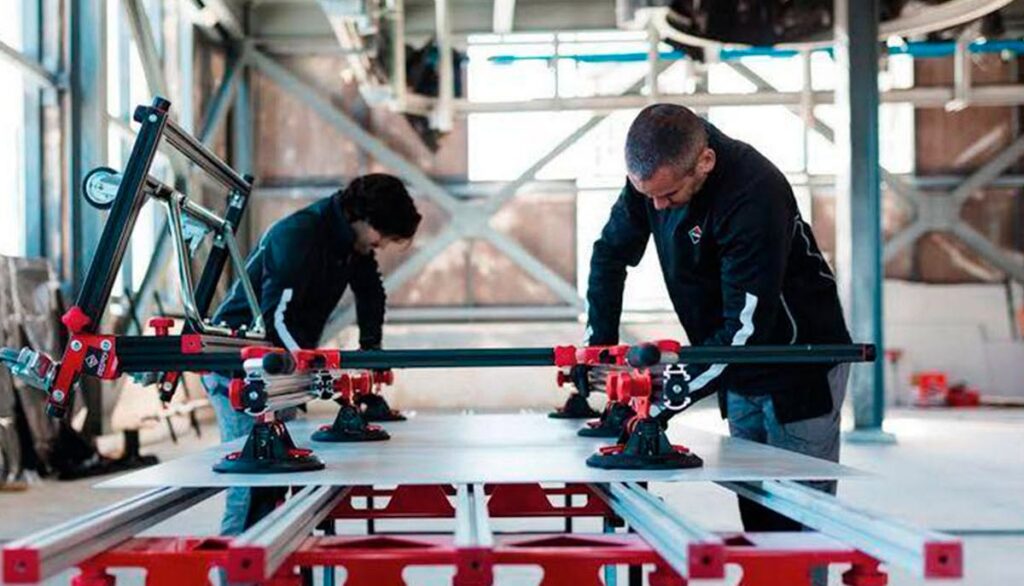
One of the strongest advantages in modern installation is matching tools to the full sequence of work. RUBI’s large-format content emphasizes the importance of integrating transport, cutting, and leveling into one repeatable workflow. That is especially relevant on U.S. jobsites where schedule pressure is high and material costs make mistakes expensive.
- Cutting: Professional crews still rely on Manual tile cutters for speed, consistency, and clean repetitive cuts in many day-to-day applications.
- Porcelain and slab cutting: When density, thickness, or format size increases, Electric cutters for porcelain and large-format work become critical for control and finish quality.
- Workflow integration: For advanced slab applications, Large-format tile cutting and handling systems help connect transport, stabilization, scoring, and placement into one coordinated process.
This integrated thinking reflects why RUBI still stands out in the U.S. market. It does not frame the job as a single cut. It frames the job as a complete installation challenge, which is much closer to how modern contractors actually work.
Where Traditional Methods Fall Short in Modern Tile Work
Traditional methods are not always wrong, but they are often incomplete for modern materials. Many habits developed around small-format ceramic tile still appear on projects involving much larger porcelain pieces. The problem is that the material behavior is different, the handling risks are greater, and the finish expectations are higher. What once counted as “good enough” can now lead to cracks, rework, or visible quality issues.
That gap between old habits and current demands is one of the main reasons complete workflows have become so important. Modern installation is less forgiving, especially when crews try to improvise with tools or techniques that were never meant for slab-scale work.
Applying small-format techniques to large-format materials
One of the most common mistakes in modern tile work is using a small-format mindset on large-format material. Large panels have low tolerance for twisting forces, and moving them manually increases the risk of stress and breakage. Likewise, installation quality becomes much harder to control when the team is relying on simplified methods that do not account for panel size, weight, and bowing.
The same issue appears during placement and finishing. In large-format work, even minor height differences between adjacent pieces can become a visible defect. Tile leveling systems are especially important for large-format tiles, thin-body tiles, and gauged porcelain panels, where flatness and edge alignment are harder to maintain without mechanical assistance. The bigger the material, the riskier it is to assume small-format methods will still scale.
Using tools that haven’t kept up with tile innovation
Tile materials have evolved faster than many jobsite tool setups. As porcelain became denser and formats expanded, installers needed better ways to stabilize panels, distribute stress, and maintain control from unloading to final placement. A tool that performs well on basic ceramic may not be enough when the project involves slab handling, extended guide systems, or tight finish tolerances.
This is exactly why category evolution matters. RUBI’s growth from its original cutting innovation into broader installation systems shows how the brand kept pace with what the market actually required. Rather than leaving professionals to assemble disconnected solutions, it developed tools across multiple stages of the work. That matters in the U.S., where content strategy and buyer behavior increasingly revolve around product family, application, and jobsite context rather than one-size-fits-all messaging.
Scaling Your Approach for Modern Tile Installation
As projects become more complex, professional results depend on scaling the workflow, not just upgrading one tool. This is especially true in the U.S. market, where contractors may move between residential remodeling, commercial interiors, and large-format design-driven jobs with very different performance demands. In that environment, the right setup is the one that helps crews protect material, reduce downtime, and keep work repeatable.
That is why RUBI’s 75-year story feels current instead of purely historical. The same problem-solving mentality behind the first cutter now shows up in systems designed for precision cutting, slab transport, stable support, and controlled installation. The category has changed, but the mission has not.
Why larger projects demand more than basic tool setups
Bigger projects amplify every weakness in the process. When the material is expensive and the layout is demanding, one handling mistake or one failed cut can affect profitability quickly. Basic setups also create more physical strain on installers, and fatigue itself becomes a safety and productivity issue during slab work.
RUBI’s large-format guidance frames this clearly: efficient installation depends on integrating transport, cutting, and leveling into one organized workflow. That kind of structure helps reduce breakage, speed up movement from station to station, and lower unnecessary manual effort. For U.S. contractors, especially in large-format residential remodels and commercial applications, that is not a luxury upgrade. It is part of working professionally in the current market.
When it’s time to move to a complete large-format workflow
The moment to move beyond a basic setup usually comes before a team feels fully ready for it. If a crew is dealing with slab breakage during transport, inconsistent cuts on dense porcelain, excessive manual handling, or recurring lippage issues, the workflow has already outgrown a single-tool approach. At that point, the question is no longer whether a better system would help. It is whether the current method is quietly costing time, material, and reputation.
That is where RUBI’s long evolution gives professionals a practical advantage. The brand that began by redefining tile cutting in 1951 now offers solutions that support the realities of modern installation, from classic cutter categories to advanced slab systems. For contractors evaluating the next step, the smart move is often to stop thinking in isolated products and start thinking in complete workflows. That shift is what connects the first RUBI invention to the large-format era now shaping jobsites across the United States.
After 75 years, the core idea still holds: better tools change the way the trade works. And in today’s market, that means more than owning a respected RUBI tile cutter. It means building a professional process around cutting, handling, and installation systems that are made for the realities of modern tile work. For teams looking to align history, performance, and practical jobsite demands, RUBI USA remains one of the clearest examples of how a pioneering tool became a complete category standard.
Post a comment