



Large-format tile can look flat through the first rows and still develop edge variation once the thin-set begins to settle. That risk becomes more visible on exterior patios, interior remodels, and rectified porcelain where even slight lippage catches light fast. RUBI offers pro-focused options for installers comparing the Leveling Systems that fit the best tile leveling system search. This guide compares Delta and Cyclone for real indoor and outdoor jobsite decisions.
What is a tile leveling system and why does it matter?
A tile leveling system is not just a spacing accessory. It adds mechanical tension between adjacent tiles while the adhesive cures, helping reduce visible height differences and the surface flatter. On U.S. projects where large-format porcelain is common, that extra control helps crews protect finish quality without slowing the installation down.
What problem does a tile leveling system solve?
The main problem is lippage, which happens when one tile edge sits higher than the next. A leveling system helps pull adjoining pieces into the same plane, reducing manual correction and making polished or rectified tile installations look cleaner under direct light.
When should you use a leveling system?
You should use one whenever large-format tile, rectified edges, or tighter visual tolerances make flatness harder to maintain. It is especially useful on floors, on wall installations, and on outdoor living projects where surface irregularities become more obvious across longer runs.
- Rectified porcelain with tight joints
- Large-format floor tile and panels
- Walls where movement during curing matters
- Outdoor tile where flatness is visually critical
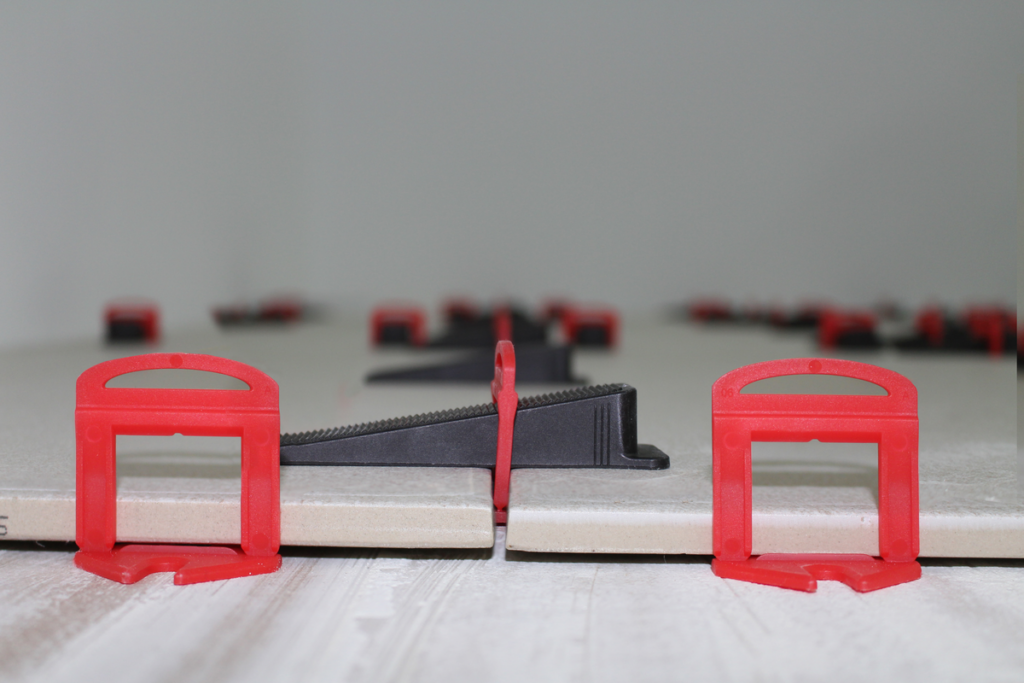
What makes a premium tile leveling system different?
A premium system does more than hold tile in place. It improves consistency, gives installers more repeatable pressure, and makes removal more predictable after cure. That matters on busy jobsites, because repeatable pressure and cleaner snap points help maintain pace without sacrificing finish quality.
Better tension control and more consistent tile alignment
Pressure control is where better systems separate quickly from budget options. Delta’s FAST-FIX pliers are designed for quicker, more intuitive adjustment, while Cyclone’s cap design focuses pressure for leveling and surface uniformity with a crowned gripping area that simplifies handling.
Stronger components and cleaner breakage after curing
Material quality also matters. Delta clips are made from high-quality polypropylene clips, and Cyclone uses reusable caps and wedges designed for repeated use when handled correctly, helping installers keep performance consistent from one section to the next.
Why cheaper systems can lead to lippage, delays, and callbacks
Lower-grade systems often fail at the worst point in the process: under pressure or during removal. Inconsistent breakage, weak clips, or unstable tension can force more corrections during setting and create callbacks after the job is complete, especially on polished surfaces and large-format layouts.
- Uneven pressure across adjacent edges
- Weak clips that fail during tightening
- Poor snap behavior after curing
- More time spent correcting alignment by hand
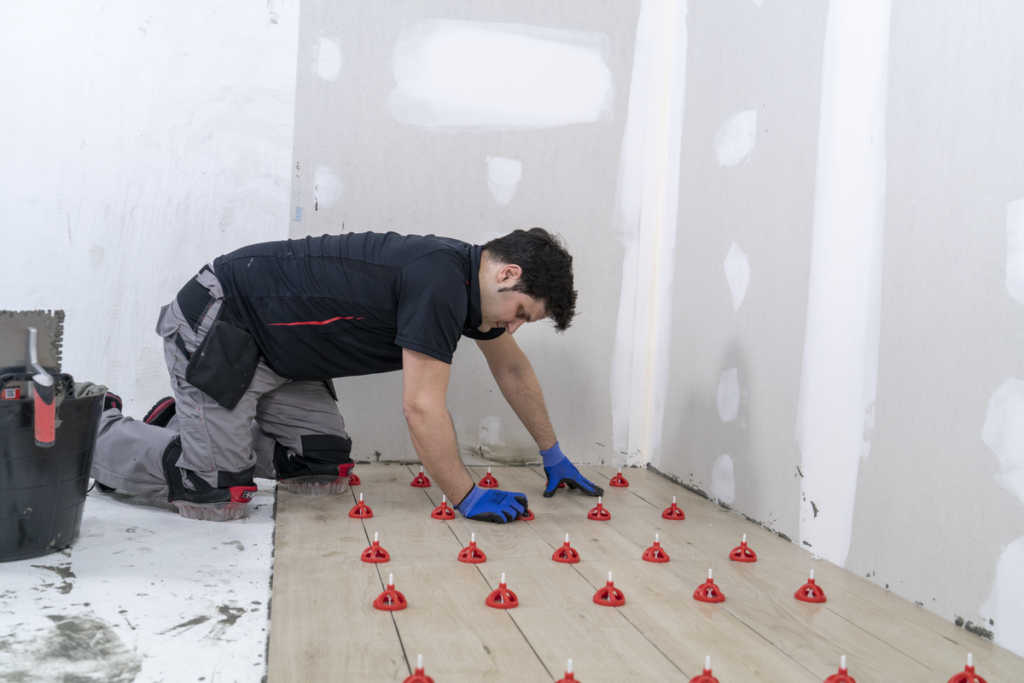
Why Delta and Cyclone stand out against cheaper alternatives
Both systems are designed for professional results, but they serve different workflows. The key difference is not basic performance; it is workflow fit on the jobsite. For installers trying to identify the installation quality they need without overcomplicating the process, Delta and Cyclone cover two clear use cases.
Delta Level System: precision and control for demanding installations
The Delta Level System is the better fit when calibrated force matters more than raw speed. The U.S. catalog lists kit options with 1 pliers, 100 strips, and 100 reusable wedges in a bucket, with 1/16″ and 1/32″ kit versions, while the strip range covers 1/32″, 1/16″, 3/32″, 1/8″, and 3/16″ sizes for different joint and tile-thickness needs. For current product access, the internal product page for the Delta Level System Kit V4 is the most practical next step.
Cyclone Level System: speed, comfort, and efficiency on site
The Cyclone Level System is built around fast handling and repetitive production work. In the U.S. catalog, the kit includes 300 clips and 100 reusable caps in a durable bucket, with 1/16″ and 1/8″ kit versions, while flat-base clips are available in 1/32″, 1/16″, 3/32″, 1/8″, and 3/16″ sizes, plus cross-base and cross-T options in 1/16″ and 1/8″. For installers who want the current product view, the Cyclone Level System Kit page is the relevant internal reference.
Choosing Delta or Cyclone based on workflow, not quality level
If your work involves heavy floor tile, larger panels, or jobs where pressure needs to be carefully controlled, Delta is the stronger match. If your priority is repetitive layouts, faster hand operation, or a simpler learning curve for indoor and outdoor tile work, Cyclone usually makes more sense.

How to get professional results indoors and outdoors
Even the right system will not correct a bad base or poor adhesive technique. On interior remodels, patio installs, and region-specific work from the Sunbelt to freeze-thaw climates in the Midwest, substrate preparation and full coverage still decide whether the finish stays flat and durable.
Prepare the substrate and check tile format before installation
A leveling system refines tile placement; it does not replace a flat substrate. Before setting, verify the floor or wall is clean, stable, and within tolerance, then review tile size, edge type, and layout. If floor prep is part of the problem, the most relevant internal guide is How to Level a Floor for Tile.
Apply adhesive correctly and maintain full coverage
For large-format work, consistent ridges and proper embedment matter as much as the clips or caps you choose. Delta documentation specifically recommends back buttering for optimal bond and leveling performance, and that advice aligns with the broader need for coverage consistency on both floors and walls.
- Check flatness before opening multiple boxes
- Match clip size to joint and tile thickness
- Maintain adhesive coverage across every section
Remove the leveling system at the right time
Removal should happen after full cure according to the adhesive stage, not just when the surface feels firm. A controlled strike or kick in the joint direction helps achieve clean removal, reduces the chance of edge damage, and keeps the joint ready for grout without extra cleanup.
FAQs about premium tile leveling systems
Most questions about the premium tile leveling systems category come down to performance in the field. The right answer depends on tile size, layout repetition, and project conditions, not just price or whether the installer is new to the trade.
Are premium tile leveling systems worth it?
Yes, especially when the job includes large-format porcelain, rectified edges, or finish expectations that leave little room for visible variation. Better systems improve consistency, reduce manual corrections, and support rework reduction on projects where time and finish quality are both under pressure.
What is the difference between cheap and professional tile levelers?
The biggest differences are tension control, ease of use under production conditions, and how reliably the parts behave during removal. Professional systems deliver better component reliability, more predictable pressure, and cleaner results when installers are working fast across larger surfaces.
Can beginners use Delta or Cyclone tile leveling systems?
Yes. Cyclone is often easier for beginners who want a simpler, faster system for standard layouts, while Delta is a strong option for users who want more controlled pressure with pliers and expect to work regularly with demanding formats.
Do tile leveling systems work outdoors?
Yes, but they only help if the rest of the assembly is correct. On outdoor tile work, flatness control still depends on substrate quality, adhesive application, and climate-aware planning, so the system should be selected around climate and substrate demands rather than treated as a fix for poor prep.
Post a comment