Building the

future together

  • How to Maintain and Align Your Wet Tile Saw for Precision Cuts

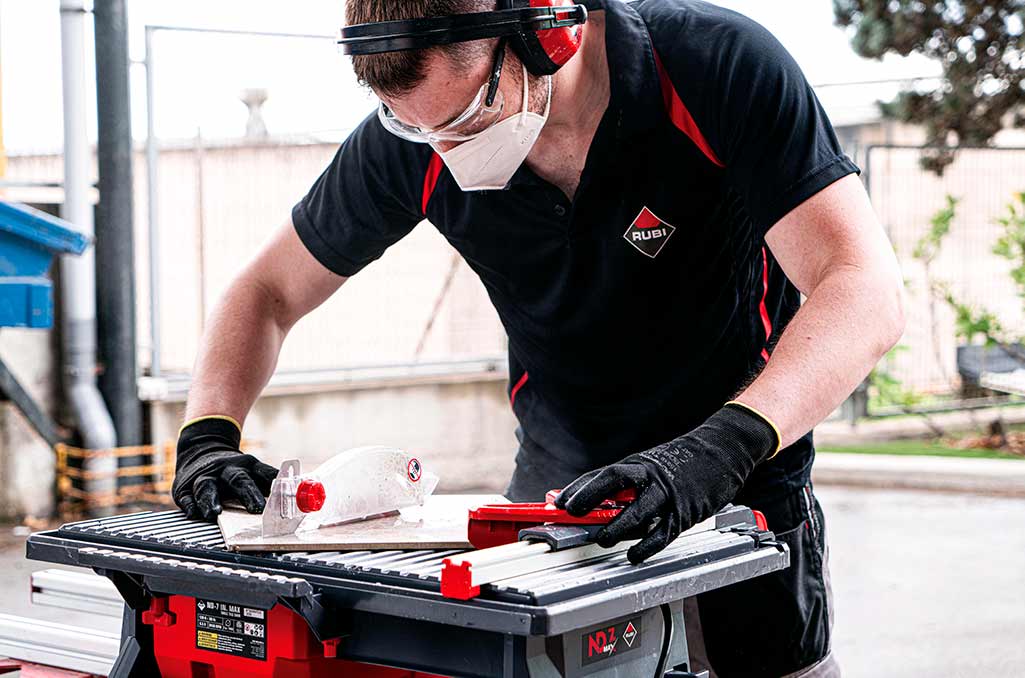
    A wet tile saw can deliver extremely clean, accurate cuts, but only when the machine is setup correctly square, the blade is in good condition, and the water system is doing its job properly. When cuts start to wander, chip more than usual or need correcting after every pass, the cause is rarely just one thing. On s...
    VIEW MORE
  • Back Buttering Tiles: Why It Matters and When It’s Essential for a Professional Installation

    Adhesive coverage causes many tile failures, particularly when installing large-format porcelain tiles over uneven backs or in demanding site conditions. Voids left beneath the tile increase the risk of weak support, movement and premature cracking. With RUBI, back buttering tiles becomes part of a controlled instal...
    VIEW MORE
  • The Specialist’s Guide to Crafting Minimalist Shower Niches

    Minimalist shower niches look effortless when they are done well. In reality, they are one of the easiest details in a bathroom to get wrong. A niche can be perfectly waterproof and still look poor if the tile joints do not line through, the returns are unequal, or the internal corners are chipped and overworked. ...
    VIEW MORE
  • Movement joints and grout selection: Ensuring long-term stability in porcelain

    Close up of a movement joint set under tiles.
    Porcelain floors fail when movement is trapped and stress is forced into rigid joints. Cracking, tenting and debonding usually start at restrained edges , long runs or poorly prepared transitions rather than in the tile itself. RUBI supports a more controlled approach to tiling movement joints, combining correct joi...
    VIEW MORE
  • Intricate Tile Cuts: How to Cut Complex Shapes

    Tiler cutting a shape in the middle of the tile.
    Complex tile cuts rarely fail on the straight section. They usually fail at the internal corner, around pipe entries and on short returns, where vibration, poor support or the wrong blade can crack the tile before the shape is finished. Dense porcelain and visible edges need tighter control over marking, pressure an...
    VIEW MORE
  • Cutting Herringbone Tiles: Manual Cutters vs. Wet Saws for the Perfect Edge

    Professional cutting a herringbone tile.
    Every herringbone floor reveals even the smallest variation because each angled cut influences the next joint. A chipped corner stands out immediately once the pattern closes. Dense porcelain and larger-format tiles place greater stress on the break line, so repeated diagonal cuts can drift, crack, or lose a sharp e...
    VIEW MORE
  • Understanding tile levelling systems: types, pros, cons, and how to choose 

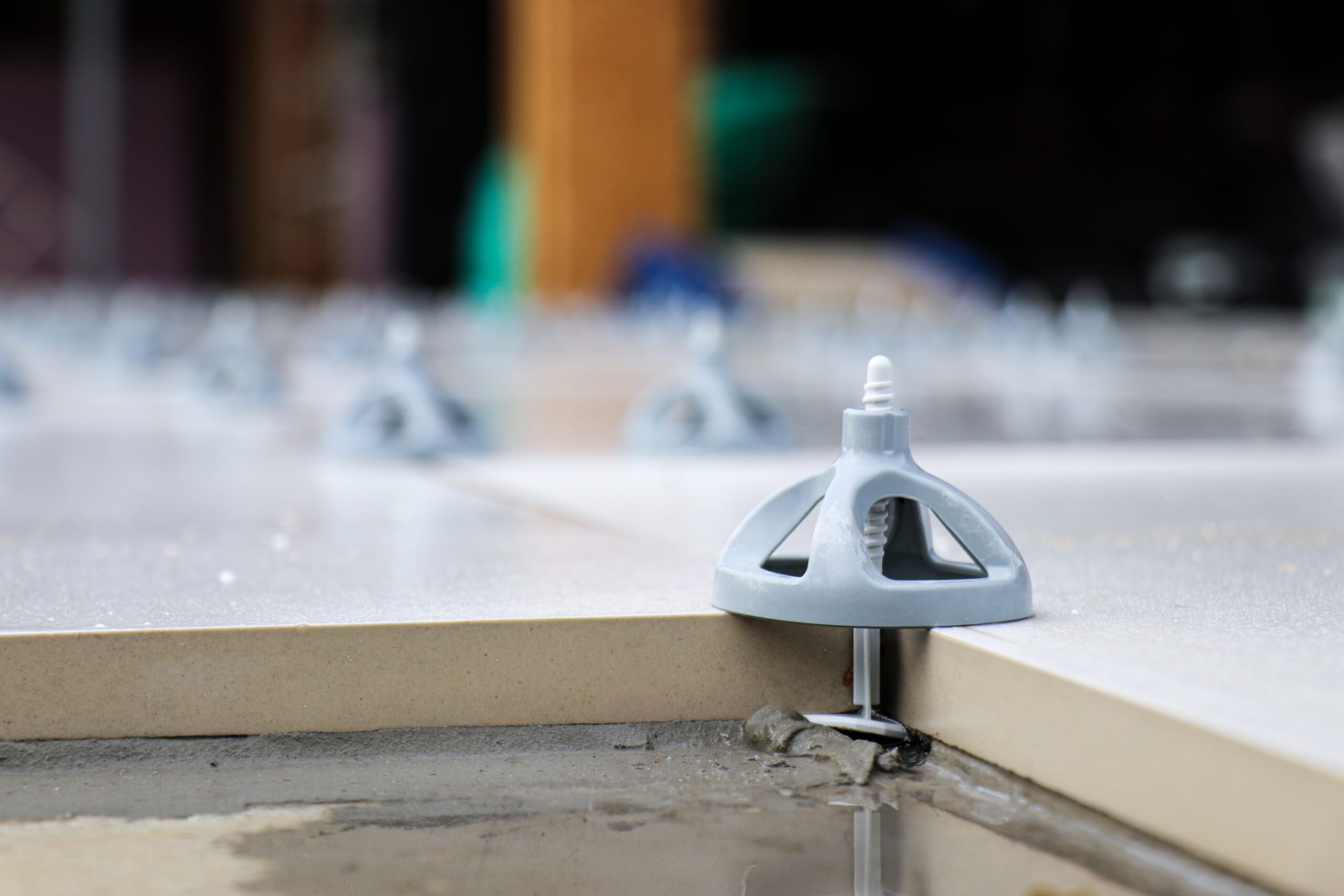
    Close up of Cyclone Levelling System.
    You lay the first few tiles and everything looks flat. By the third row, one edge sits half a millimetre proud. On a polished porcelain floor, that tiny step catches the light immediately. Lippage is not just cosmetic, it becomes a call-back risk. This is where choosing the best tile&nb...
    VIEW MORE
  • How to Cut Irregular Shapes in Large Format Tiles

    Professional cutting a large format tile.
    You’re halfway through installing a 1200 x 600 mm porcelain slab when you reach a soil pipe, a recessed socket box or an awkward internal corner. Straight cuts are predictable. Irregular shapes are not. One wrong move, too much pressure or a slight vibration at the wrong moment, and the tile&nbsp...
    VIEW MORE
  • Tiling a Wetroom: Expert Tips for a Durable Installation

    Tiling a wetroom
    Tiling a wetroom in your home is a fantastic way to achieve a sleek, modern bathroom that’s both functional and stylish. However, ensuring the durability of your wetroom requires careful planning, proper techniques, and a focus on waterproofing. In this guide, we’ll explore tiling a wetroom with expert advice from B...
    VIEW MORE
  • How to Take Off Tile Glue Like a Pro

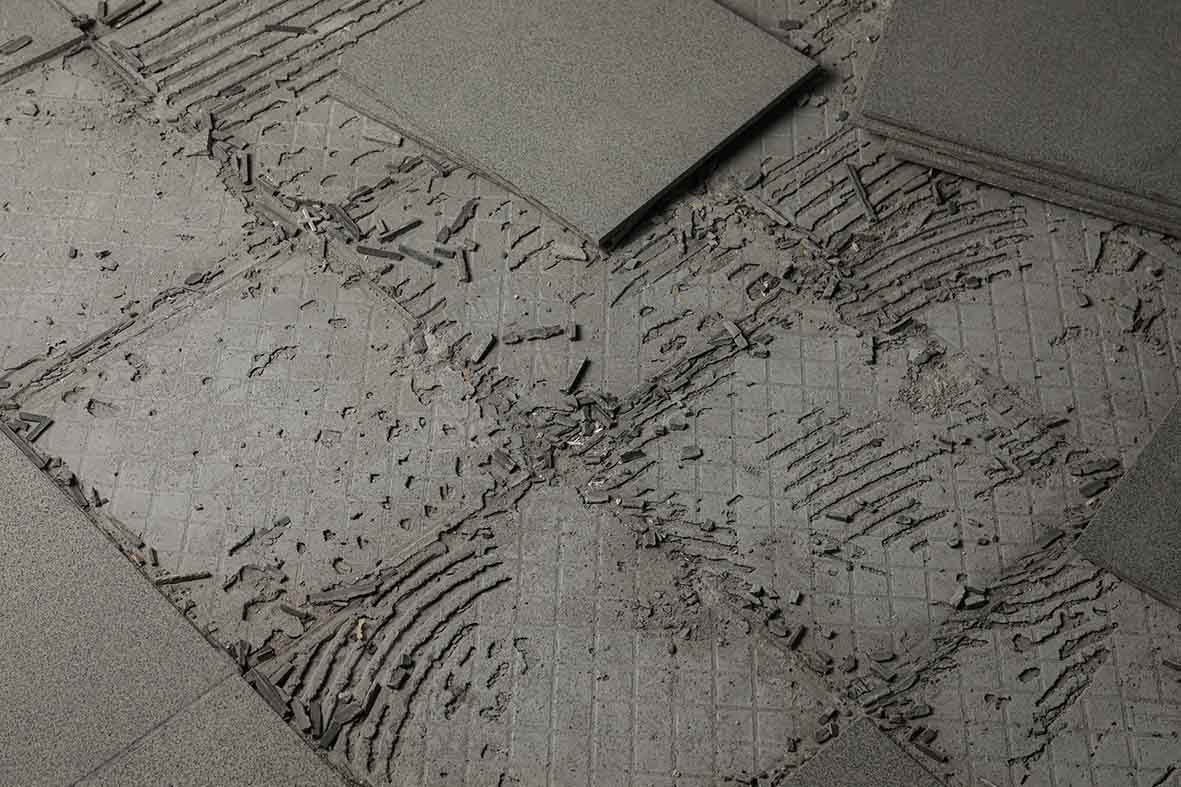
    how to take off tile glue
    When it comes to revamping your space with a fresh tiling job, one of the key challenges often lies in preparing the surface. If you’ve ever tried to remove old tiles, you’ve likely encountered a stubborn layer of tile glue clinging to the floor or wall. Known as tile adhesive, this material is essential for securin...
    VIEW MORE