
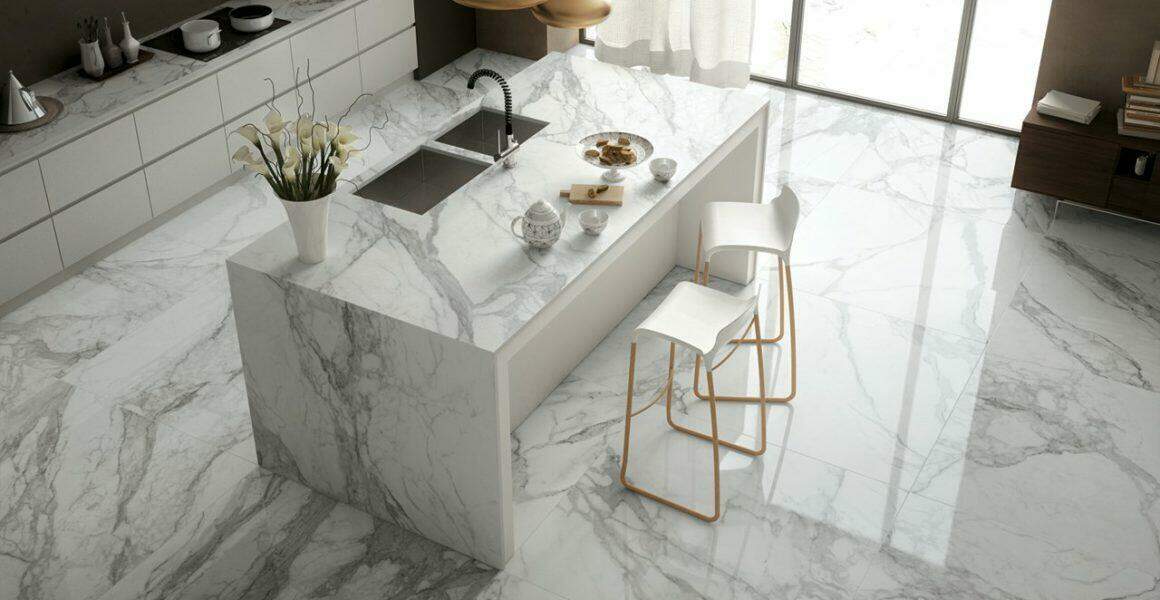

Want to know what’s happening in the field of tile installation right now? Tile isn’t just about the color or finish you choose, it’s also about how you lay it down. The right layout can completely change how a space looks and feels, transforming a basic material into a stunning focal point.
If you are in the business of laying tiles, or if you are planning a DIY home renovation, you need to know your options. With so many floor tile patterns and modern designs available, how do you choose the right one?
With the help of our handy guide, of course! We have rounded up the top tile pattern layouts and design trends you need to know about to get impeccable results.

Why Your Tile Pattern Layout Matters
Floor tile patterns refer to the configuration in which tiles are set. The way you arrange your tiles influences the scale, flow, and perception of the room. The right pattern can make a small bathroom feel expansive, guide the eye through a hallway, or act as a striking feature similar to a tile rug.
Classic and Creative Floor Tile Patterns (The Layouts)
Let’s break down the most popular geometric configurations used by professionals today.
1. Straight Lay (The Grid)
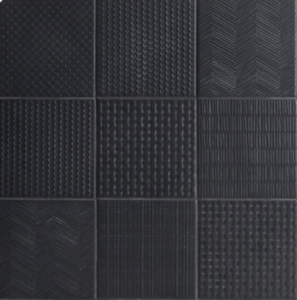
The grid is one of the simplest, yet most versatile layouts. Tiles are lined up edge-to-edge, creating a clean grid. This straight-set installation creates a clean, orderly look that feels intuitive and timeless. It is highly recommended for creating a modern, minimalist aesthetic, especially when using oversized square tiles.
2. Brick Joint / Running Bond (Offset)
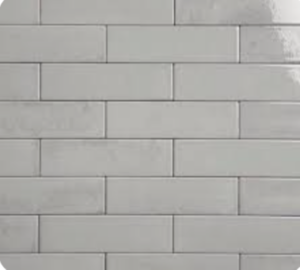
Whether installed vertically or horizontally, the running bond is the most common pattern of all. Tiles are staggered so each joint hits the center of the tile above and below it. This layout is ideal for creating a laid-back, lived-in vibe that feels effortless.
3. The 1/3 Offset (Essential for 12×24 and Planks)
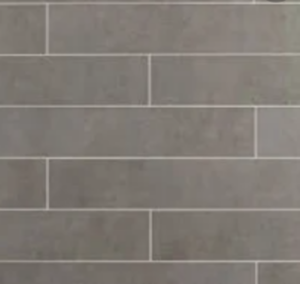
A subtle twist on the classic brick joint, the 1/3 offset staggers tile joints by one-third of the tile length instead of half.
- Why it’s crucial: Large rectangular tiles (like 12×24 floor tile patterns or long wood-look planks) often have a slight natural bow in the center. If you install them in a 50% offset, the highest point of one tile aligns with the lowest point of the next, causing “lippage.” A 1/3 offset minimizes this issue, giving a more natural, less rigid look.
4. Herringbone and Chevron
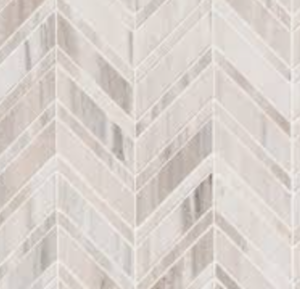
These two zigzag patterns are often confused, but they are constructed differently:
- Herringbone: Made by laying rectangular tiles at 45-degree angles that meet at straight edges to form a zigzag pattern.
- Chevron: Tiles in a chevron pattern have their edges cut to meet flush with the next pattern, creating unbroken long grout lines. Both are perfect for drawing the eye and adding drama and sophistication to a room.
5. Diagonal (Diamond)
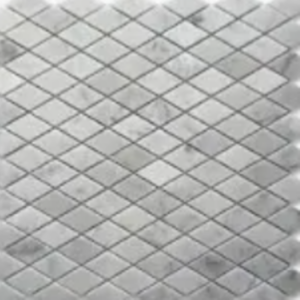
A diamond pattern is the classic grid layout, rotated on a 45-degree angle to the walls of the room. Because the lines run diagonally, the eye is drawn across the space rather than straight ahead. This simple trick creates visual depth and makes rooms feel more open and larger, especially in smaller bathrooms or galley kitchens.
6. Basketweave
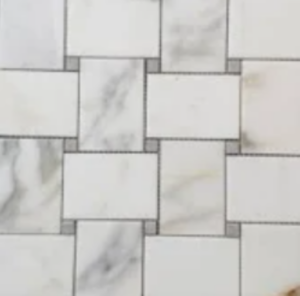
Basketweave patterns create a woven effect by alternating rectangular tiles in a grid. This is achieved when sets of tiles are laid perpendicularly at right angles, alternating between vertical and horizontal installations. It adds movement and texture while still feeling charmingly traditional.
7. Versailles (French Pattern)
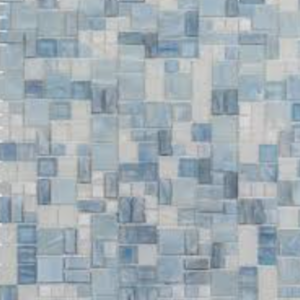
A Versailles pattern is built of multiple sizes of square and rectangular tiles. It adds a great deal of interest and a rustic, old-world charm, but requires a highly calculated blueprint to ensure the puzzle pieces fit together perfectly across the floor.
Trending Floor Tile Designs and “Looks”
Wood Looks and Tile Planks
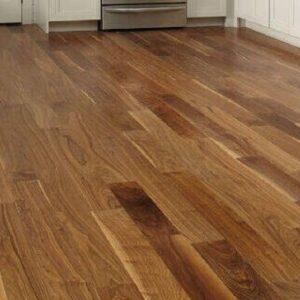
One of the fastest-growing trends is wood look-alike tiles. Consumers can get the visual warmth of hardwood while enjoying the waterproof practicality of tile. This makes sense, considering that hardwood floors have proven to be a highly popular surface, but come with durability concerns in wet areas.
Large Format Tiles
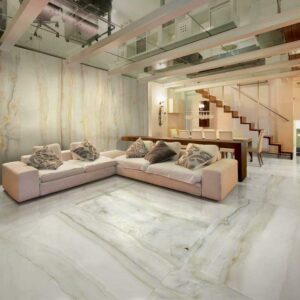
Large tiles are big right now, and only getting bigger. Market research and industry trends show a massive shift toward sizes like 24×48 inches. Using oversized tiles reduces the number of grout lines, creating a seamless, expansive look that is easy to maintain.
Terrazzo and Geometric Shapes
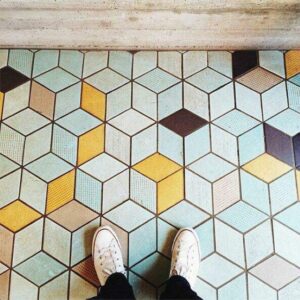
A modern take on an old-time trend is terrazzo. The modern version is bright and fun, with colorful stone fragments embedded in the surface. Similarly, patterned tiles featuring geometric shapes (like hexagons and Moroccan-inspired prints) are dominating kitchen tile ideas and bathroom floors.
Pro Tips for Installing Complex Tile Patterns
Executing intricate floor tile patterns requires precision.
- Invest in the Right Tools: Complex patterns like herringbone require dozens of precise cuts. Check out our pro-level tile saws to ensure your cuts are clean and your pattern stays perfectly aligned.
- Dry Lay First: Always perform a dry run (laying out your tiles without mortar) to see how the pattern interacts with your walls and doorways.
- Grout as a Design Element: Grouting tiles is no longer just a chore. Using a high-contrast grout color highlights the geometry of your pattern, while a matching grout color softens the pattern into a seamless surface.

Frequently Asked Questions (FAQs)
What is the best pattern to lay floor tiles?
There is no single “best” pattern, as it depends on your space. If you want to make a small room feel larger, a Diagonal (Diamond) or Herringbone pattern is ideal. If you are using large 12×24 rectangular tiles, the 1/3 Offset is the best pattern to prevent uneven edges (lippage).
Which direction should you run your tile flooring?
As a general rule of thumb, you should run rectangular tiles parallel to the longest wall in the room. This emphasizes the length of the space and creates a natural flow. If you are tiling a narrow hallway, laying the tiles horizontally across the width can create an optical illusion that makes the hall feel wider.

Post a comment